
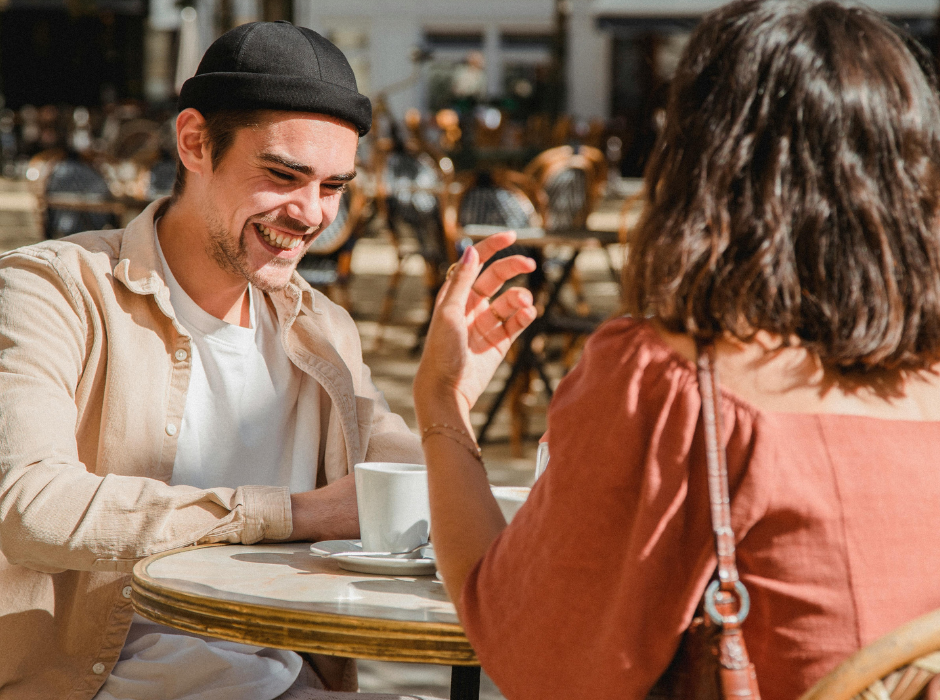
The conversation around modern dating is dominated by dating apps. With Tinder, Bumble, Hinge, and countless niche apps out there, true love could be just one swipe away. But there’s been a noticeable shift in the narrative. More people are stepping away from the pressure of creating the perfect profile or waiting for someone to reply to a message, and instead choosing to meet others face-to-face. In fact, according to Forbes, 78 percent of dating app users report dating app burnout, with the most common reason being a failure to make a meaningful connection.
That’s one reason speed dating and other singles events are making a comeback. They give people the opportunity to meet multiple potential matches in one evening, skip the endless “How was your day?” or “Good night, sweet dreams” messages, and find out quickly whether there’s any actual chemistry.
A successful speed dating event takes more than a timer, a few tables, and a few conversation starters. It needs the right venue, a smooth flow, and a format that keeps everyone comfortable.
Ready to play matchmaker? Here’s how to get started.

Step 1: Find Your Perfect Match (Audience, That Is)
Not every speed dating event has to be for everyone. Before you start looking at venues or planning the event flow, decide who you want to bring together. Knowing your audience will make just about every other planning decision easier.
Many people are more comfortable meeting others who share similar interests, lifestyles, or life stages. Consider building your event around a specific audience like:
- Ages 25-35
- Ages 40+
- Young professionals
- LGBTQ+ singles
- Faith-based communities
- Dog lovers
- Book enthusiasts
- Foodies
- Outdoor enthusiasts
People are more likely to register when they know they’ll be meeting people with similar interests or life experiences, making those first conversations feel a little less intimidating.
Planner Tip: Spend a little time researching local Facebook Groups, Meetup communities, Reddit threads, or Eventbrite listings to see which audiences are already looking for opportunities to connect and where there may be gaps in your local event scene.
Step 2: Choose a Venue That Encourages Conversation
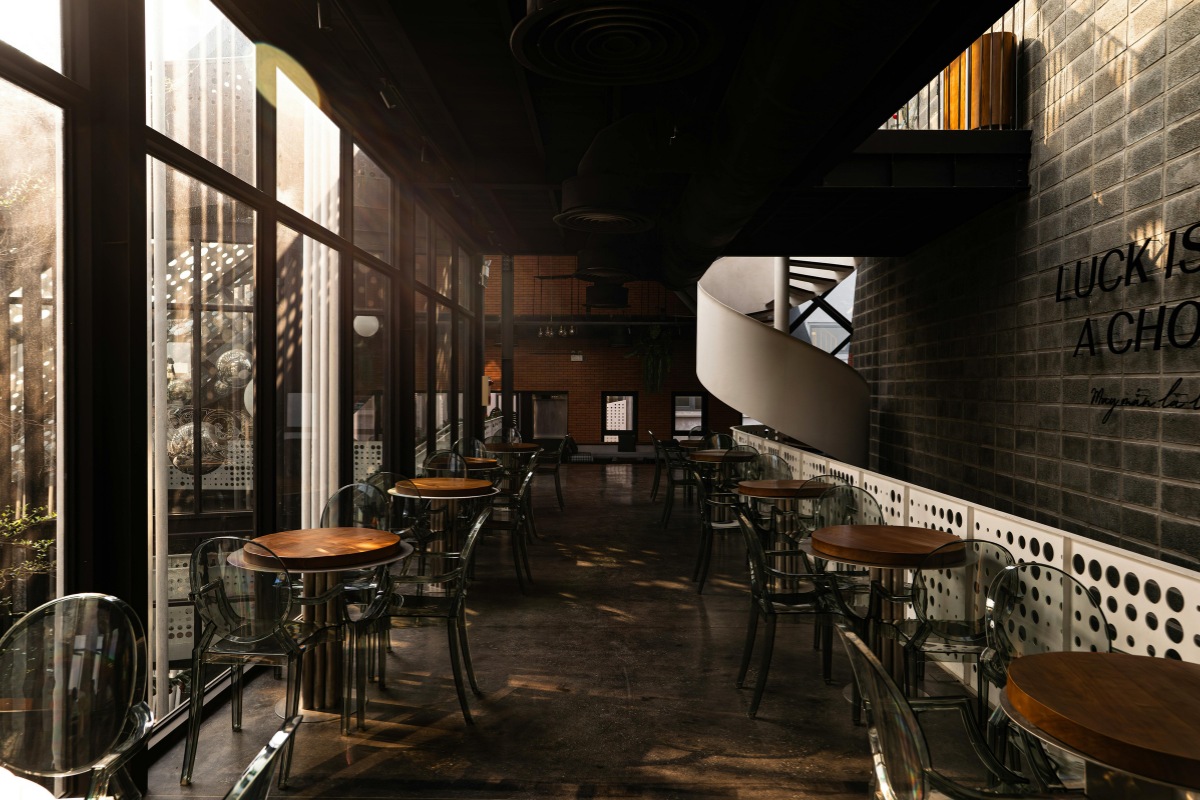
The best speed dating venues make it easy for people to focus on one another. While trendy restaurants or busy bars may seem like a good fit, loud music and cramped seating can make conversations frustrating.
- Small tables that comfortably seat two people
- Enough space for participants to rotate between dates
- Lighting that’s bright enough to see one another
- Minimal background noise
- Easy parking or public transportation access
Coffee shops, wine bars, breweries, hotel lounges, bookstores, and private event spaces can work well. If you’re expecting a larger crowd, make sure the venue has enough room to accommodate both the dating rounds and any mingling afterward.
Planner Tip: Avoid venues with live music, trivia nights, karaoke, or televisions. Guests should be able to focus on the conversation, not compete with the entertainment.

Step 3: Create a Smooth Event Flow
A little structure goes a long way during a speed dating event. Giving participants clear expectations helps everyone feel more comfortable and keeps the event running on schedule.
Plan for:
- Check-in and welcome
- Brief introduction and instructions
- Eight to twelve rounds of speed dating
- Five to seven minutes per conversation
- A bell, buzzer, or announcement to signal when it’s time to rotate
- Short breaks for drinks, restrooms, or a quick breather
- Casual mingling over drinks or appetizers after the final round
You want the event to feel organized but not overly structured. Think of your schedule as a guide, not a script.
Planner Tip: Ask a friend, volunteer, or venue staff member to keep track of the timer and announce rotations. That frees you up to greet participants, answer questions, and check in throughout the evening.

Step 4: Make Matching Easy
While some speed dating events encourage participants to exchange contact information during the event, the way they receive their matches is entirely up to you. Consider using a mutual matching system where participants submit their matches privately after the event, and you only share contact information when both participants express interest in the other.
Decide:
- Whether participants will exchange contact information during the event or use a mutual matching system
- How participants will submit their matches
- What information you’ll share when there’s a mutual match
- When participants can expect to receive their matches
However you decide to handle matches, explain the process before the first round begins. That way, participants know exactly what to do at the end of each conversation and at the end of the event.
Planner Tip: Double-check participants’ contact information at check-in to ensure their matches go to the right place.
Step 5: Plan for No-Shows and Uneven Numbers
Even with a full registration list, there’s a good chance not everyone will show up. Last-minute cancellations happen, and attendance may not be perfectly balanced, so it’s worth having a backup plan before guests start arriving.
Think through:
- Whether you’ll cap registrations to help maintain a balanced group
- How you’ll handle an odd number of participants
- How you’ll accommodate late arrivals without disrupting the flow
- What you’ll do if one group significantly outnumbers the other
- Whether you’ll issue refunds, credits, or ticket transfers for cancellations
Planner Tip: If you end up with an odd number of participants, rotate one person out each round. Framing it as a short break gives participants a chance to grab a drink, use the restroom, or jot down notes before rejoining the rotation.
Step 6: Promote Your Event
You’ve done the planning. Now it’s time to fill the room. When people are deciding whether to register, they’re likely wondering what the experience will be like. The more questions you answer up front, the more confident they’ll feel about signing up.
Your event listing should include:
- Who the event is for, including the age range or target audience
- How long each conversation will last
- Approximately how many people will attend
- How participants will receive their matches
- What each ticket includes: food, drinks, other amenities
Planner Tip: Mention that participants are welcome to attend on their own. Many people assume they need to bring a friend, so a simple note can encourage more registrations.

Conclusion
While dating apps still have a stronghold on the dating world, many singles are looking for opportunities to connect beyond a screen. A quick Google search will generate thousands of articles and opinion pieces on the topic.
As the planner, your job isn’t to create the chemistry. It’s to create an environment and experience where it can happen. People aren’t coming because they’re expecting to meet “the one” (well, maybe they are). They’re coming because they’re looking for an easier, more natural way to meet someone new.
The goal isn’t to script every interaction. It’s to remove distractions, reduce awkwardness, and create a space where genuine conversation can happen. Once you’ve done that, the conversations can do the rest.
Kadi McDonald is a freelance writer, marketing strategist, and proud Cleveland sports fan.