

You don’t need to know the capital of every country, memorize the Best Picture winner from the last 25 years, or name all 46 U.S. presidents to enjoy (and be good at) trivia. The best trivia games aren’t necessarily about knowing the most obscure facts. They give everyone a chance to play, debate an answer, make a lucky guess, and occasionally discover that one friend knows a very abnormal amount of facts about 90s sitcoms.
So when you’re looking for an activity for your next party, whether that’s the main event or just something to liven up the vibes, trivia is an excellent choice. And with board games, card games, apps, and digital options to choose from, you can find a trivia game that works for just about any group and any location.
Here are some of our favorites.

Wits & Wagers
Best for: Mixed groups and people who are “bad at trivia”
Players: 3 to 7 players or teams
What you need: The game
How it works: Wits & Wagers doesn’t require you to actually know the answer, which makes it a great choice when not everyone is a trivia buff. Every question has a numerical answer and players write down their best guess. Once everyone reveals their guesses, players bet on which answer they think is the closest. That means the person who knows the answer isn’t necessarily the winner of the round. You can write down some obscure number, then decide that your friend’s guess looks more reasonable, place your bet on their number, and still walk away with points.
Questions can range from things you might actually know to things you can only take a wild guess at. For example: What percent of U.S. households own at least one pet cat? If you placed your bet on the answer closest to 37%, you’d win that round.
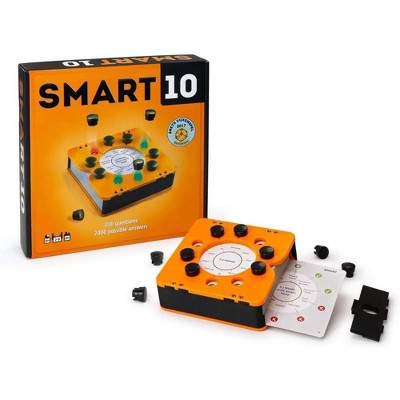
Smart10
Best for: Competitive groups who like a little risk with their trivia
Players: 2 to 8 players or teams
What you need: The game
How it works: Smart10 gives everyone the same question with 10 possible answers, all hidden under markers on the game’s “Smartbox.” The Smartbox travels around the group until all the answers have been revealed or everyone has decided to sit out. When it’s your turn, choose an answer and remove the marker to see if you’re right. Get it right, and you earn a point. Get it wrong, and you lose the points you’ve collected that round and are out until the next one. You can also choose to pass and keep your points. As more answers are revealed, the obvious choices start disappearing, making each trip around the group a little riskier.
For example, a question might ask, “What century was this invented in?” The 10 choices include the ballpoint pen, telephone, battery, airplane, refrigerator, printing press, steam engine, vacuum, can opener, and clothespin. Choose airplane and answer “20th century,” and you’d earn a point before passing the Smartbox to the next player. When it comes back around and you’re less confident about the remaining choices, you’ll have to decide whether to risk your points on another answer or sit out the rest of the round.
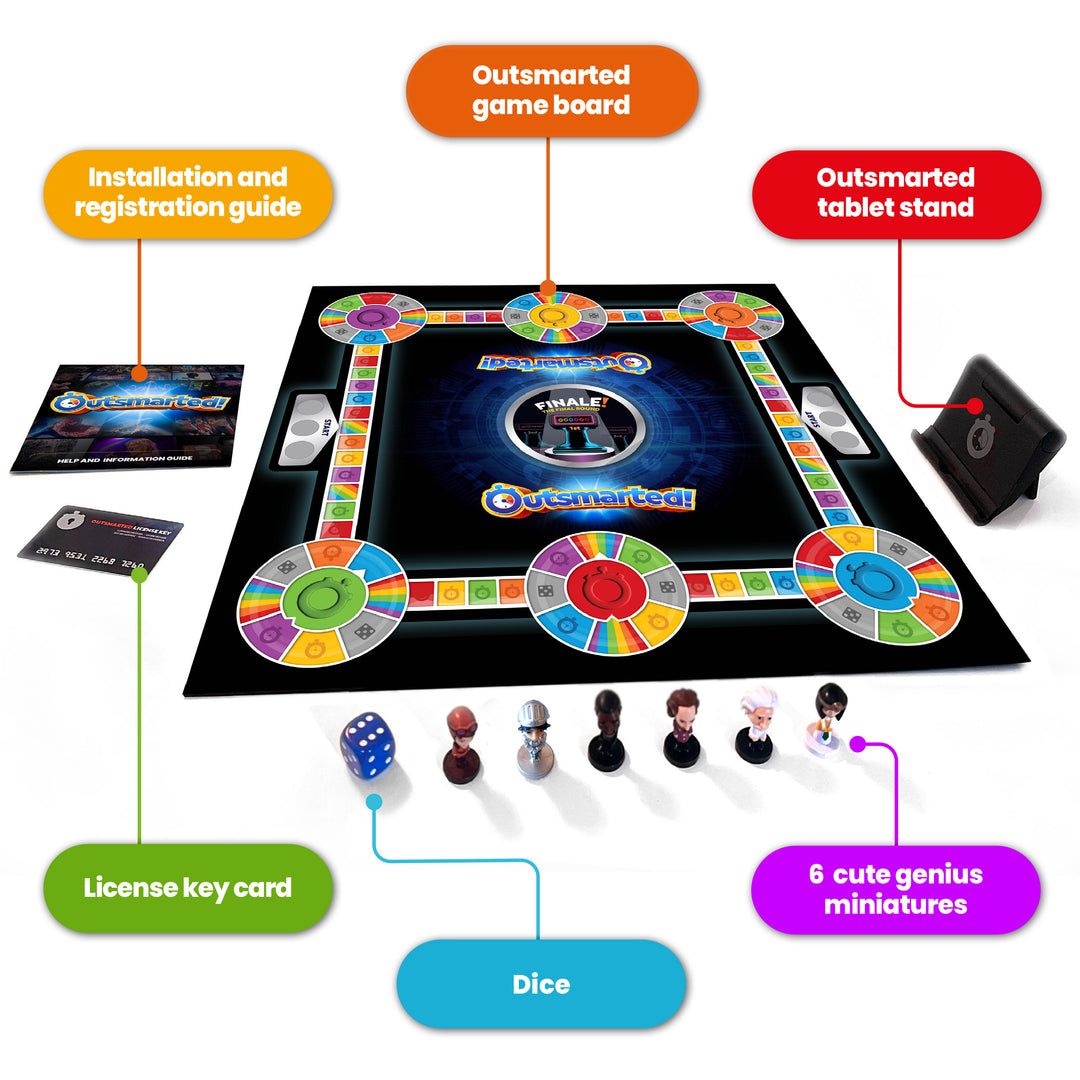
Outsmarted!
Best for: Families, mixed-age groups, and long-distance game nights
Players: 2 to 24 players
What you need: The game and at least one compatible device
How it works: Outsmarted! combines a physical game board and an app, giving you the experience of playing a traditional board game without having to stick to the same stack of question cards every time you play. Players compete individually or in teams across six categories, answering questions on a phone, tablet, or laptop as they try to collect a ring from each category.
One of the biggest perks is that questions can be adjusted based on age, so kids, teens, and adults can compete in the same game without facing the exact same level of difficulty. And because the questions are delivered digitally, the game can keep adding new questions and categories instead of relying solely on what came in the box.
Outsmarted! also goes beyond standard written questions with song clips, images, videos, and other multimedia challenges. Plus, everyone doesn’t have to be sitting around the same game board. Friends and family can join remotely from other locations with a simple code, giving you a fun way to involve guests who can’t make it in person.
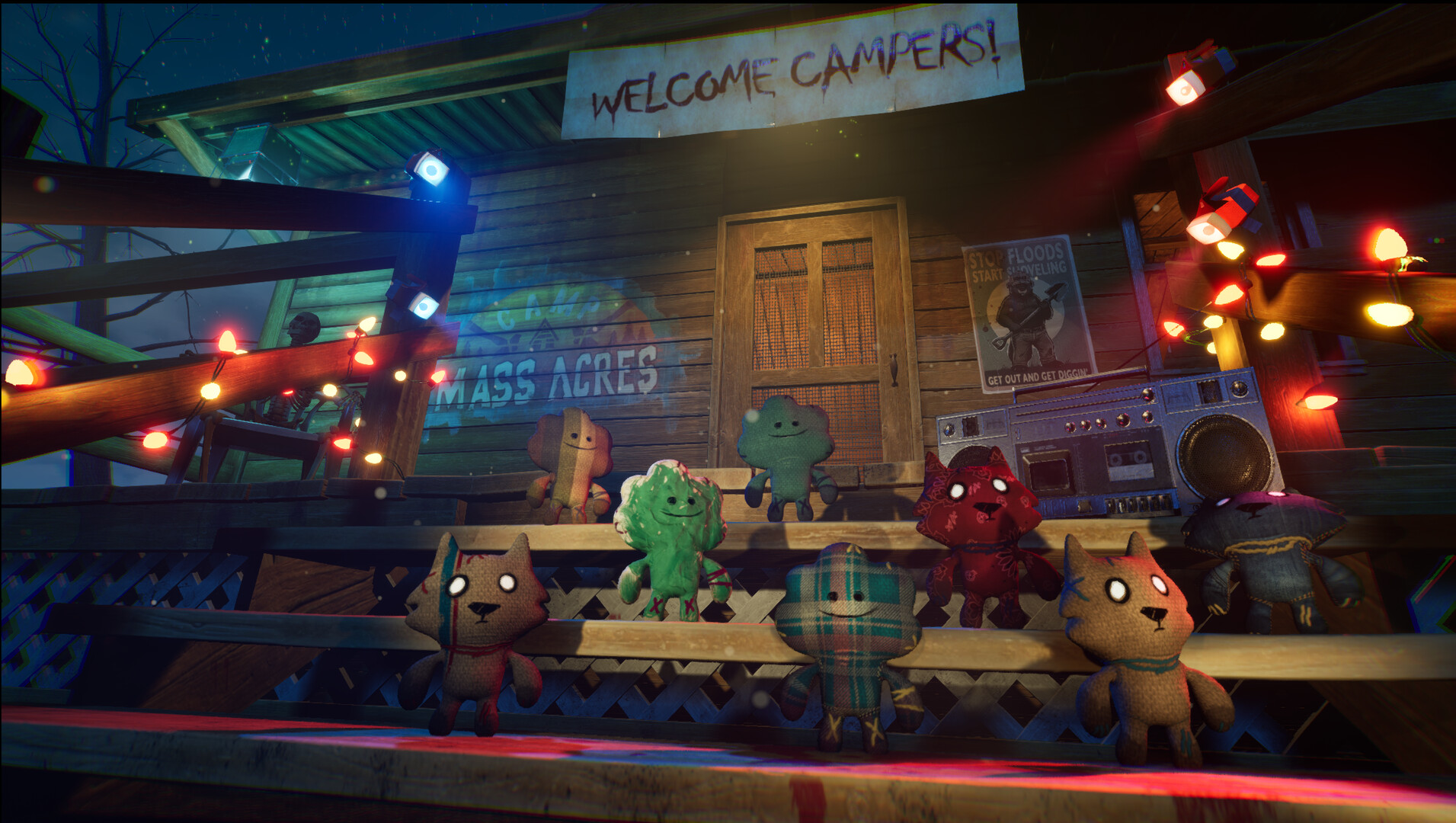
Trivia Murder Party
Best for: Adults and friend groups
Players: 1 to 8 players, plus audience members
What you need: Jackbox Party Pack 3, a shared screen, and a phone or other web-enabled device for each player
How it works: Trivia Murder Party turns a standard trivia competition into a super strange horror movie. Each player will use their own device to answer multiple-choice questions. Getting one wrong can send you to the Killing Floor, where you’ll play a mini-game to stay alive. And these mini-games can get kind of weird.
Depending on the round, you might have to solve a math problem before everyone else, memorize a pattern, make a decision that could eliminate another player, or put your fate in the hands of the rest of the group. If you lose, your character becomes a ghost. But you’ll still participate until the final round, and you can still win. In the final round, living and dead players answer rapid-fire trivia questions to race toward the exit.
This game mixes real trivia with cheeky commentary, funny challenges, and plenty of opportunities to mess with your friends.
Bonus: Trivia Murder Party III is launching in September 2026!

Trivial Pursuit
Best for: Classic trivia fans and themed game nights
Players: 2 to 6 players or teams
What you need: The game
How it works: Trivial Pursuit has been testing people’s random knowledge since 1981, so you’ve likely played some version of it before. Each version comes with a game board that determines which category your questions come from. The goal is to answer a question correctly from all six categories and make it back to the center of the board.
There are SO MANY different versions of Trivial Pursuit: specific decades, movies, TV shows, sports, music, and plenty of updates to the classic version. Test everyone’s general knowledge or find a version that is built around your party’s theme or something your group is interested in. Just pay attention to which edition you’re pulling off the shelf. Trivia can age quickly, so the answers might be a little out of date.
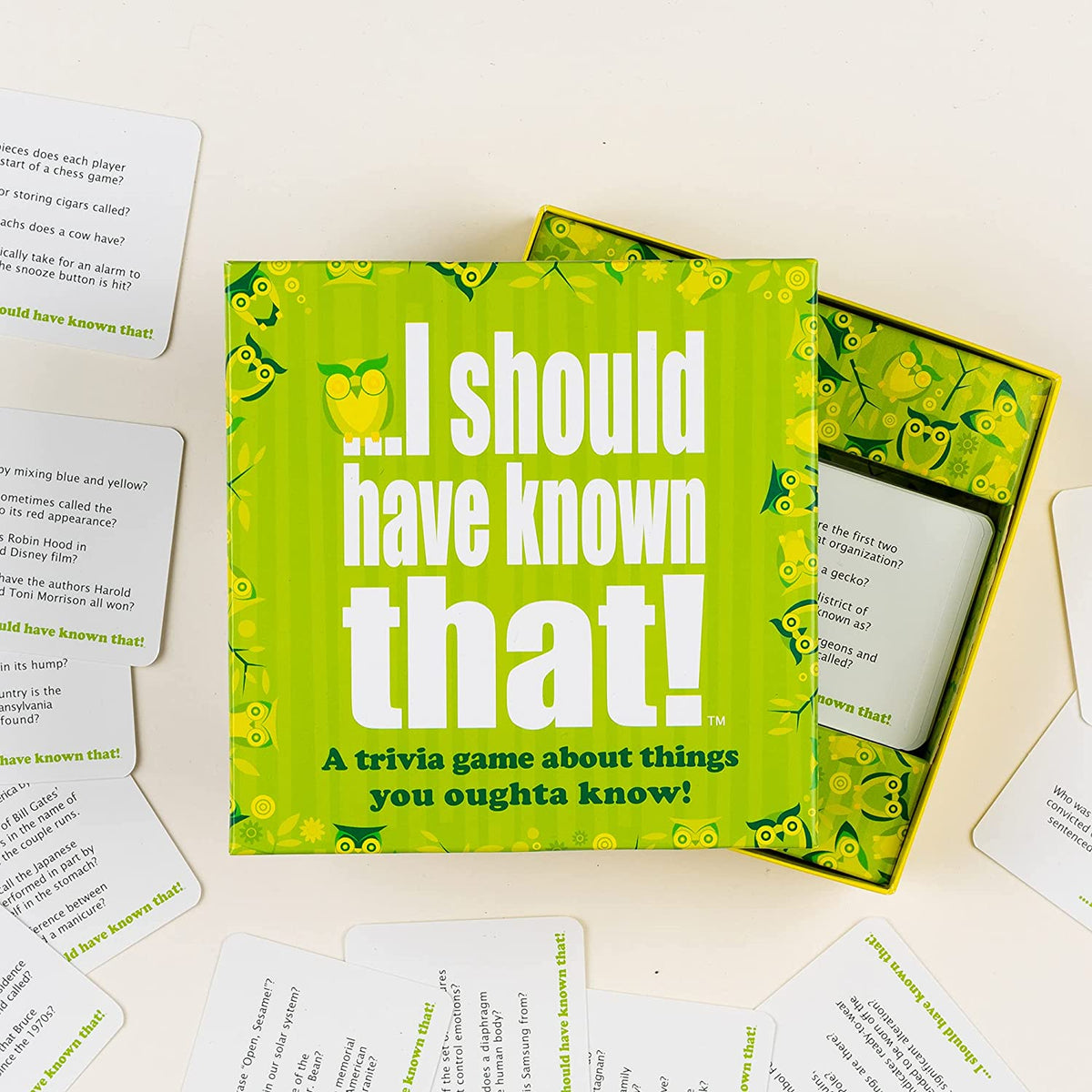
I Should Have Known That!
Best for: Casual groups and quick game nights
Players: 2 or more players
What you need: The game
How it works: I Should Have Known That! doesn’t ask those obscure questions that only trivia buffs would know. It asks the kind that you feel like you should know the answer to. How long was Sleeping Beauty actually asleep? Is a penguin a bird? Is starboard on the left or right side of the boat?
This one comes with a little twist: You don’t earn points for the correct answers. You lose points when you get one wrong. So whoever loses the fewest amount of points by the end of the game wins.
The box includes more than 400 questions and that’s it. Super simple setup. Quick and easy to play. Good times for everyone.
Our Favorite Option: Create Your Own Trivia Game!
Can’t find a game that fits your group? Make your own! Creating a trivia game gives you complete control over the questions, categories, difficulty, and format. It also gives you the chance to personalize the game for your party.
Choose Your Categories
Start with a mix of topics that everyone might know. Movies and TV, music, sports, food, history, and pop culture are easy places to start, but you can get much more specific based on your group. You can also change up the types of questions. Add a picture round, play short clips for Name That Tune, put events in chronological order, or ask players to come up with lists around a certain topic.
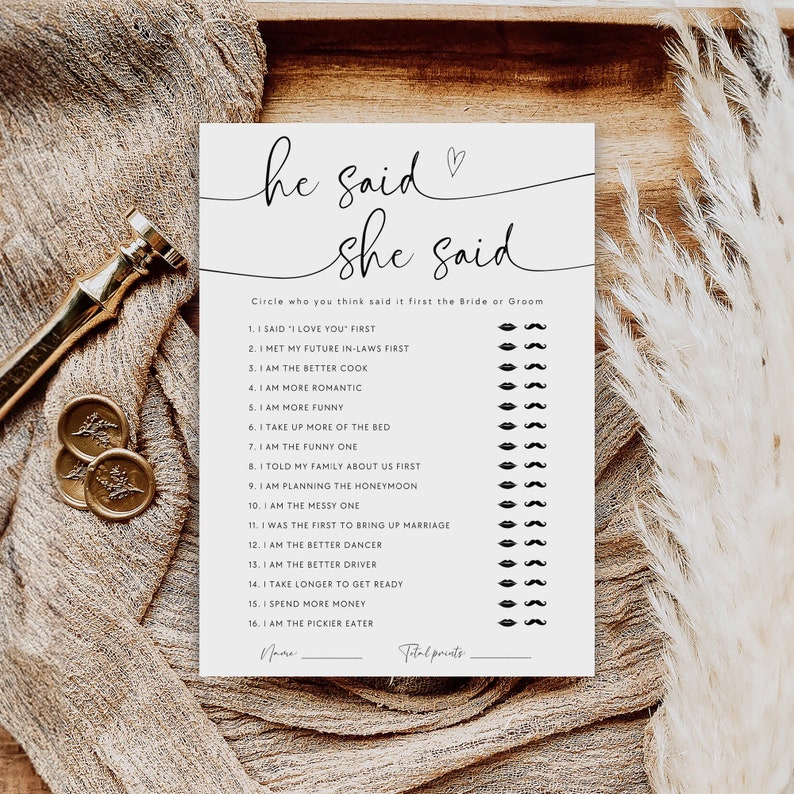
If you’re creating trivia for a birthday, shower, reunion, or other celebration, consider making the categories more personal. Ask questions about the guest of honor, have everyone identify childhood photos, or see how well the group knows each other with a “Which Did They Choose?” game, where players try to guess how someone else answered a question.
Get Your Questions in Order
Trivia is a lot more fun when people actually know things. Mix up easy, medium, and difficult questions instead of trying to stump everyone. Keep questions clear, make sure there is a definitive answer, and double-check your facts before you start. It’s also a good idea to have the answer key ready so that you don’t have to Google anything mid-party.
For a smaller party, you may only need a few categories and a couple dozen questions. If you’re planning a full trivia night, break the game into rounds, give teams time to turn in their answers between each one, and consider adding a final question where they can wager some of their points.
Always have a tiebreaker ready to go. A question with a numerical answer works well because everyone can take a guess and whoever gets closest wins.
Choose Your Setup
You can keep things old school with a host, printed questions, and answer sheets. Or you can let technology handle some of the work.
Kahoot! lets you create your own quizzes that guests can join from their phones. You can create your own, use its AI tools, or choose from pre-made Kahoots across categories like history, pop culture, music, sports, and geography. You’ll need to create an account. There is a free version, but some features are limited.
TriviaMaker takes more of a game-show approach, offering several pre-made formats for building and presenting your questions. You can add your own questions and answers, use its AI question generator, customize the game, and invite friends to join virtually.
Or skip the dedicated trivia platforms altogether. Create your own game in PowerPoint or Canva, display it on a TV or projector, and have everyone submit their answers the old-fashioned way. It requires a little more work, but it also gives you complete control over the look and feel of your game.
What’s Your Final Answer?
Trivia is a classic party game that can take many forms. You can keep things traditional with a board game and a few friends, turn up the competition with teams and prizes, take things digital, or create a game that’s completely your own.
The key is finding the version that works for your group. And then, it’s anyone’s game.
Kadi McDonald is a freelance writer, marketing strategist, and proud Cleveland sports fan. She is the reigning group champion of the Trivial Pursuit 1990s Time Capsule edition.