

If you got an engagement ring for Christmas, you’re not alone. The holiday season is one of the most popular times to get engaged — nearly 40% of proposals take place between Thanksgiving and Valentine’s Day. With family in town and the festive spirit of the season, a holiday engagement brings an added layer of romance and magic that’s hard to beat.
Now that you’ve had some time to admire your ring and enjoy the engagement bubble, you might be wondering what happens next. Don’t book any appointments just yet — follow these steps for wedding planning success.
Step 1: Announce Your Engagement
After you’ve had a chance to bask in the news yourselves, it’s time to tell everyone else.
How you announce your engagement is up to you and your fiancé. Some couples go all out with a newspaper announcement and an engagement party while others prefer to tell a few close friends and let the news travel organically. Decide what feels most authentic to you as a couple and announce your engagement as you see fit.
Regardless of how you choose to share the news, make sure to tell your immediate family and close friends first to avoid any hurt feelings. There’s nothing worse than seeing a friend’s engagement on social media and wondering why they didn’t fill you in.

Step 2: Define Your Timeline
You’ve announced your engagement: yay! Now everyone wants to know when your wedding will be (and if they’re invited).
While you don’t need to know all of the answers just yet, it’s wise to discuss your engagement timeline with your fiancé early on to make sure you’re both on the same page. This will help set expectations and determine when you start the actual wedding planning process.
Here are a few questions to consider as you define your timeline:
- Do you want a long engagement or a short one? The average engagement length is around 15 months.
- What time of year do you want to get married? If you’ve always imagined a winter wedding, for example, you’re looking at a 12-month engagement or longer.
- Do you want a local wedding or a destination wedding? Keep in mind that destination weddings will take more time to plan.
- Are there any major life events or pre-planned trips to plan around? Consider things like weddings, pregnancies, and your parents’ 40th anniversary trip they’ve been planning for years.
Step 3: Establish Your Budget
Another important conversation to have early on — if not the most important — is about your budget. How much do you want to spend on your wedding?
From your venue to your guest list, reception catering, entertainment, et cetera, your budget will impact every single decision you make during the wedding planning process. Have a transparent conversation with your fiancé upfront to discuss the financial commitment and how much you can realistically afford.
As a benchmark, the average wedding costs upwards of $33,000 these days. If you prefer to spend less, decide early on what your non-negotiables are and stick to your priorities. Don’t forget to factor in any financial gifts from relatives.

Step 4: Draft Your Guest List
Now it’s time to think about your guest list. You don’t have to finalize your guest list this early on, but it’s wise to have a general idea of how many guests you plan to invite before you start thinking about venues. The budget you determined in step three will have a major influence on your guest list and what size wedding you can afford.
Between you and your fiancé, make a list of VIP guests and tally it up. Then, ask your parents for an estimate of how many guests they would personally like to invite. These rough numbers will give you a good starting point for your eventual guest list.
Step 5: Look at Venues
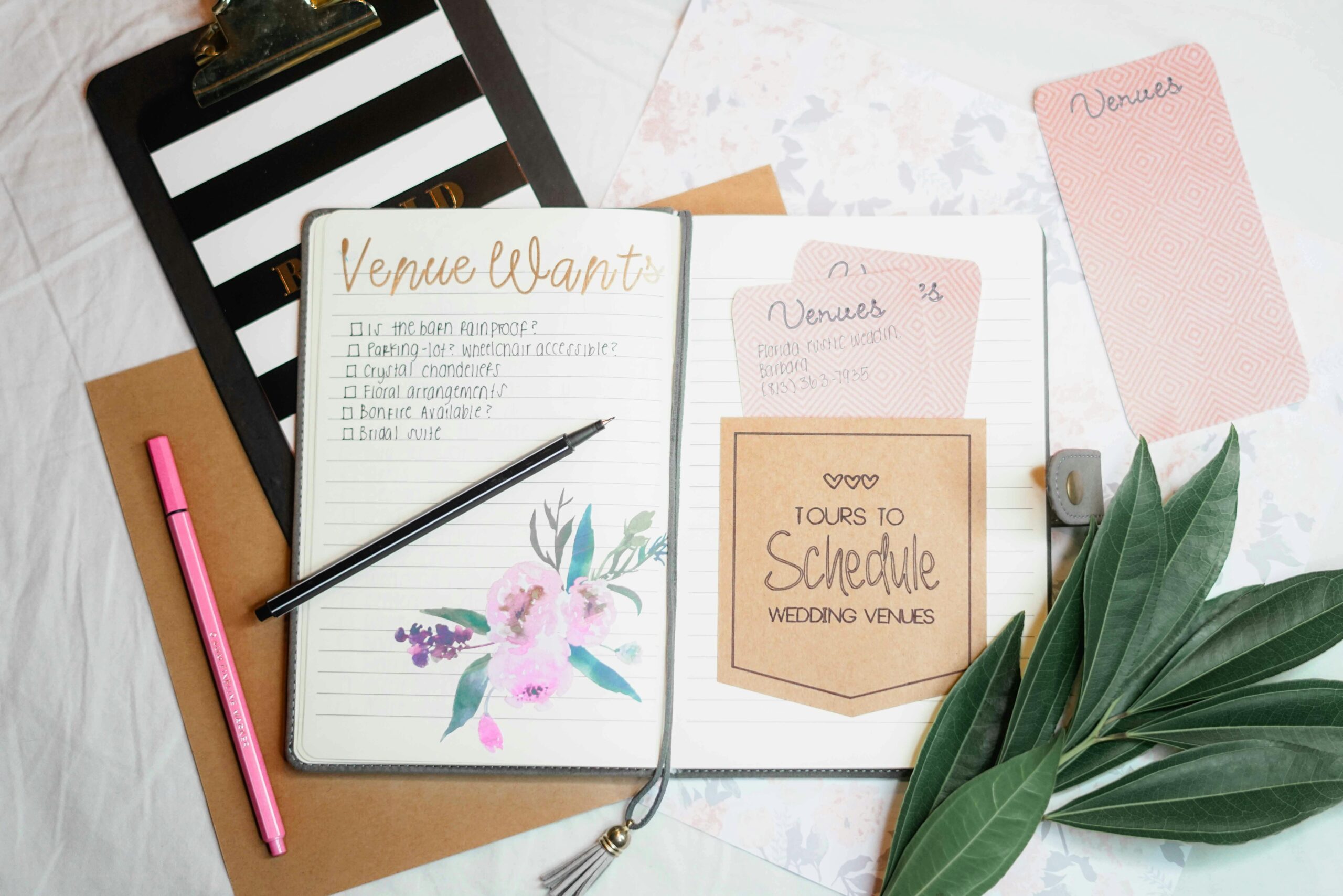
Once you have a good idea of your budget, guest list, and ideal timeline, you’re ready to look at wedding venues. You might have a specific venue in mind already or you might be starting your venue search from scratch. Regardless, don’t put all your eggs in one basket. Choose a handful of venues to tour so you can see a few different options. You might be surprised by the venue you like the most!
During your tours, ask each venue the same questions so you can adequately compare and make an informed decision. Use these questions as a starting point:
- Is my date available?
- How many people can your space hold?
- Do you have different wedding or event packages?
- Is catering included?
- How much parking is available?
- How much does each additional hour cost?
- Is there a setup or teardown fee?
Plan Your Wedding with Eventective
Ring: polished. Timeline: planned. Budget: approved. Guest list: drafted. Venue: booked. Now that you’ve gotten a jump start on these major items, you can dive into the details of wedding dress shopping, bridal party planning, save the dates, and more.
Wedding planning can feel overwhelming, but it doesn’t have to be. With the right tools, you can stay organized and on budget. From venue and vendor directories to guest lists and wedding websites, Eventective has resources to guide you through every step of the wedding planning process. Happy wedding planning!
Rachel Kauffman is a Detroit-based content writer, bookworm, and cat mom to two feisty felines.