
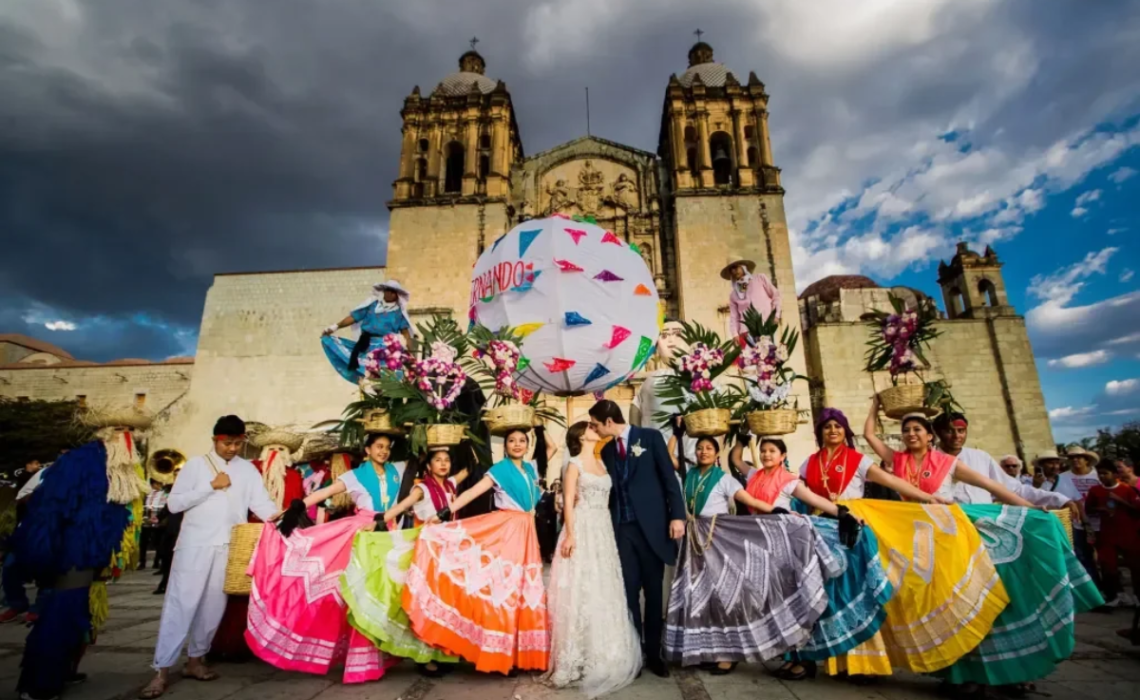
Most weddings involve a ceremony, a reception, and a few hours on the dance floor. But in Oaxaca, Mexico, weddings come with colorful parades, elaborate feasts, and entire communities of people. Located in southern Mexico, Oaxaca is home to a diverse mix of indigenous cultures, including Zapotec, Mixtec, Mazatec, and Mixe peoples, each with their own customs and traditions.
While wedding celebrations vary across the state, many last several days, with family, friends, and neighbors coming together for ceremonies, music, dancing, and plenty of food. Some traditions have been passed down for generations, while others reflect the influence of Spanish colonization and Catholicism. Together, those traditions create celebrations that go far beyond the wedding ceremony itself.
Here’s a closer look at some of the customs that make Oaxacan weddings so distinctive.
A Wedding Celebration That Lasts for Days
While American weddings typically revolve around one big day, usually bookended by a rehearsal dinner and farewell brunch, traditional weddings in some Oaxacan communities can last several days or even an entire week. Preparations begin well before the ceremony, with relatives and neighbors gathering to cook, decorate, and prepare for hundreds of guests.
The length and structure vary by community. Some Zapotec weddings in Oaxaca’s Central Valleys have historically lasted up to seven days, while other communities follow a three-day schedule of ceremonies, blessings, and gift exchanges. Contemporary weddings, particularly in Oaxaca City, may be shorter, although celebrations can still begin early in the morning and continue late into the night.
Guelaguetza: The Concept of Reciprocity
Preparing for a large wedding is a shared responsibility in many Oaxacan communities. Padrinos and madrinas, or ceremonial sponsors, may help cover expenses, provide decorations, or arrange music. Friends, relatives, and neighbors may also contribute through guelaguetza, a tradition rooted in Zapotec culture that emphasizes reciprocity and mutual support.
Although the word is often associated with Oaxaca’s famous annual cultural festival, guelaguetza also describes contributing money, food, supplies, or time to help others celebrate important occasions. These contributions aren’t always considered one-time gifts. In some communities, families keep records of what they receive so they can return the favor when another household hosts a celebration, helping everyone share the costs and responsibilities.

The Wedding Ceremony
Many Oaxacan couples have both a civil ceremony, which legally establishes the marriage, and a religious ceremony, often held in a Catholic church. Depending on the community and religion, weddings may also incorporate Indigenous customs, such as traditional family blessings, ceremonial gift exchanges, or rituals honoring the couple’s families and ancestors.
Catholicism plays a significant role in Mexico’s religious and cultural history, so many wedding ceremonies incorporate Catholic traditions. During las arras, 13 coins are presented to the couple as a symbol of prosperity and shared resources. El lazo involves placing a decorative cord or rosary around the couple’s shoulders to symbolize their union. Family members or ceremonial sponsors may participate in these rituals.

The Calenda
Perhaps the most recognizable Oaxacan wedding tradition is the calenda, a lively procession that often takes place between the ceremony and reception. Accompanied by a brass band, newlyweds lead their guests through the streets alongside towering puppets called monos de calenda, which are often designed to resemble the couple. Large decorated spheres known as marmotas typically display the couples’ name rise above the crowd, while guests sip mezcal and toss rice or confetti. You may even see guests carrying large household gifts, from refrigerators to armoires, through the streets.
Calendas are part of Oaxacan celebration culture, so you’ll find them at religious festivals, holidays, and other celebrations throughout Oaxaca. At weddings, they turn the journey from the church to the reception into an event of its own, with guests dancing and celebrating through the streets.

The Wedding Feast
If you know anything about Mexican culture, you know that food is one of the most important parts of any celebration. Although menus vary by community, traditional dishes often take center stage at elaborate feasts. Here are just a few Oaxaca is famous for:
- Mole negro: a rich sauce made with dried chiles, spices, nuts, seeds, and chocolate, typically served with chicken, turkey, or rice.
- Higaditos: A savory breakfast dish made with eggs, chicken or turkey, organ meats, and spices, usually served with homemade tortillas, bread, and chocolate atole.
- Barbacoa: Meat, often goat or lamb, slowly cooked in an underground pit and usually served with homemade tortillas, salsa, and broth.
- Pan de yema: A slightly sweet, egg-rich bread that is typically served with chocolate atole. It’s a staple at many celebrations in Oaxaca and is often passed around to guests in baskets.
- Chocolate atole: A thick, warm drink made with corn masa and cacao.
- Mezcal: Oaxaca’s signature distilled agave spirit.
Preparing these meals is often a group effort, with relatives and neighbors gathering to grind corn, make tortillas, and cook for large numbers of guests. Recipes and cooking techniques are shared across generations, so the preparation is an important part of the festivities.
Music, Dancing, and Wedding Gifts
Wedding celebrations often continue into the early morning hours with music and dancing. Brass bands are especially prominent in Oaxaca’s Central Valleys, while celebrations in the Isthmus of Tehuantepec may feature sones istmeños, a regional musical style associated with Zapotec culture.
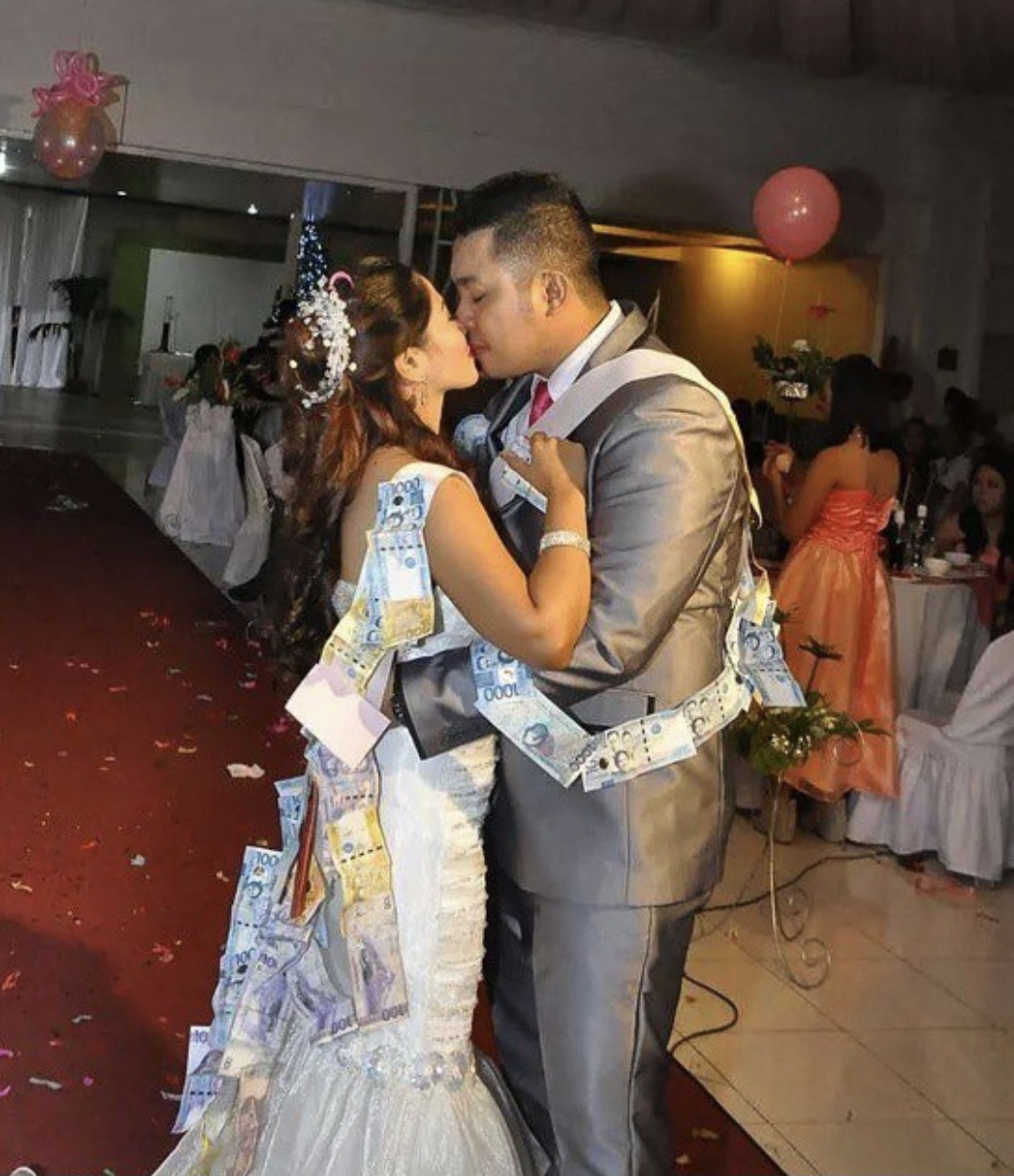
Some weddings also include the baile del billete, or money dance, a tradition practiced elsewhere across Mexico. Guests take turns dancing with the bride or groom while pinning bills onto their clothing as a gift to help the newlyweds begin married life.
Gift-giving may continue after the reception, with relatives and neighbors presenting household goods, food, or other contributions during celebrations held the following day. These exchanges are another example of the reciprocity that plays an important role in many Oaxacan communities.
Conclusion
While wedding customs vary throughout Oaxaca, they share an emphasis on family, community, and cultural heritage. From the preparations leading up to the ceremony to the final dance of the reception, each part of the celebration brings people together. And whether the festivities last a single day or an entire week, Oaxacan weddings are about more than two people beginning their lives together. They’re also about the families, friendships, and traditions that will continue to support them long after the celebration ends.
To see the Oaxacan Wedding process in action, check out this video!
Kadi McDonald is a freelance writer, marketing strategist, and proud Cleveland sports fan.