
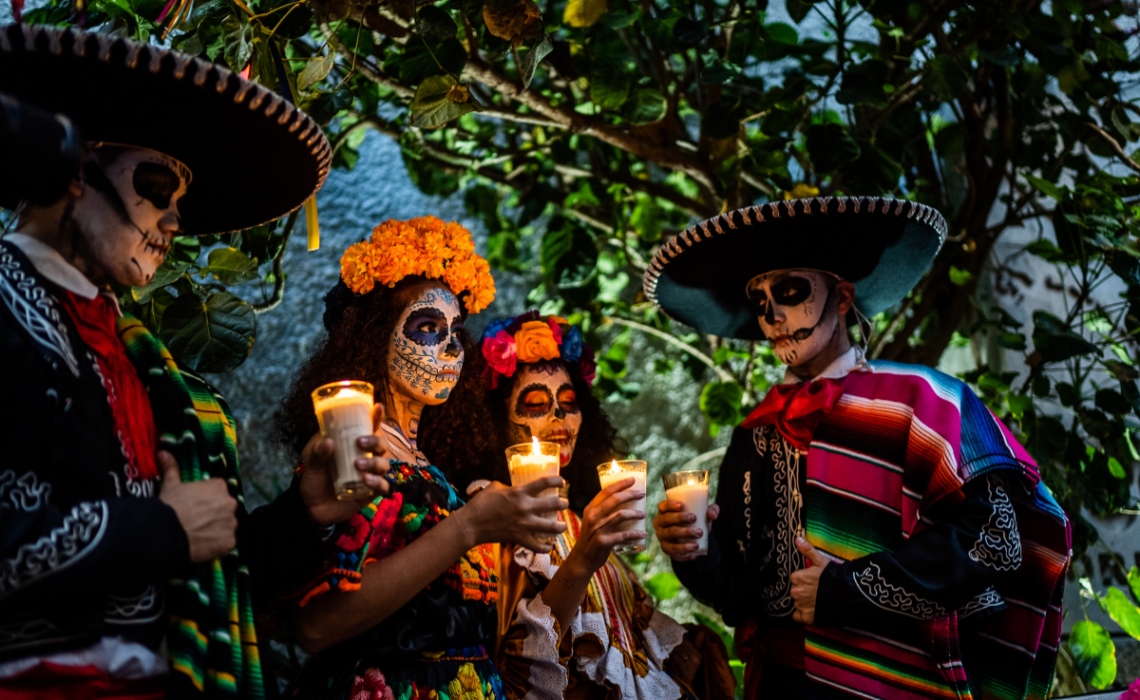
Every November 1 and 2, Mexico fills with bright orange marigolds, colorful skeletons, decorated altars, and celebrations that last well into the night. Día de los Muertos, or Day of the Dead, is one of Mexico’s most recognizable holidays. It’s a time to remember and celebrate loved ones who’ve passed away. Rooted in centuries of tradition, the holiday centers on the belief that their spirits can return to visit their families.
If you’ve seen the elaborate skull makeup, skeleton figures dressed in fancy clothes, or even Disney’s Coco, you’re probably familiar with some of the imagery. But there’s a lot more to this holiday than its decorations. And whether you’re curious about the traditions or thinking about hosting a celebration of your own, understanding the meaning behind Día de los Muertos is a great place to start.
What is Día de los Muertos?
Día de los Muertos is rooted in Indigenous Mexican and Spanish Catholic ritual customs. It’s widely celebrated throughout Mexico and Central America, and among Latinos across the United States.
The holiday dates back centuries, with origins in Indigenous traditions that viewed death as a natural part of life. When Spanish colonizers brought Catholicism to Mexico in the 16th century, these customs became intertwined with two religious observances: All Saints’ Day (November 1) and All Souls’ Day (November 2), which remember those who have died. Over time, these traditions helped shape Día de los Muertos as it’s celebrated today.
Two Days of Celebration
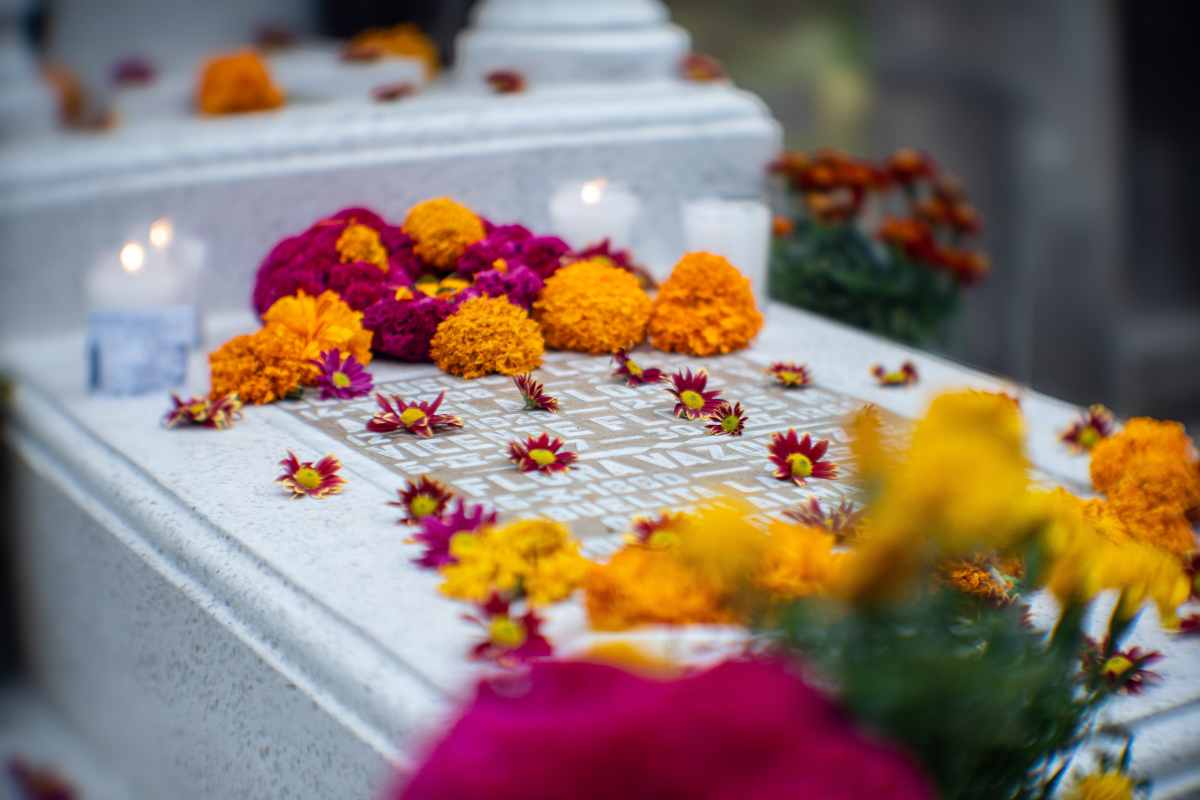
Día de los Muertos is traditionally celebrated over two days, when it’s believed that the spirits of deceased loved ones return to visit their families. November 1, known as Día de los Angelitos, or Day of the Little Angels, is dedicated to children who have passed away, while November 2 honors deceased adults. Throughout both days, families gather to share meals, visit cemeteries, and remember their loved ones.
Symbols and Traditions
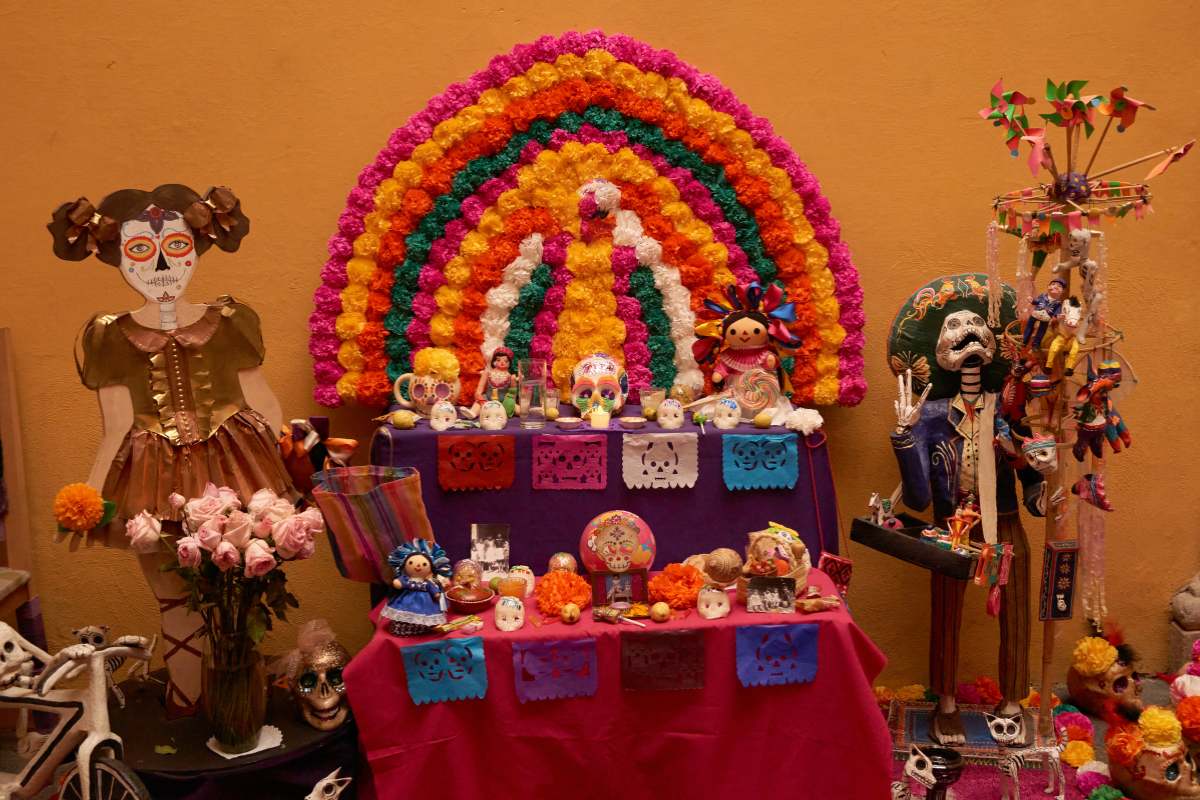
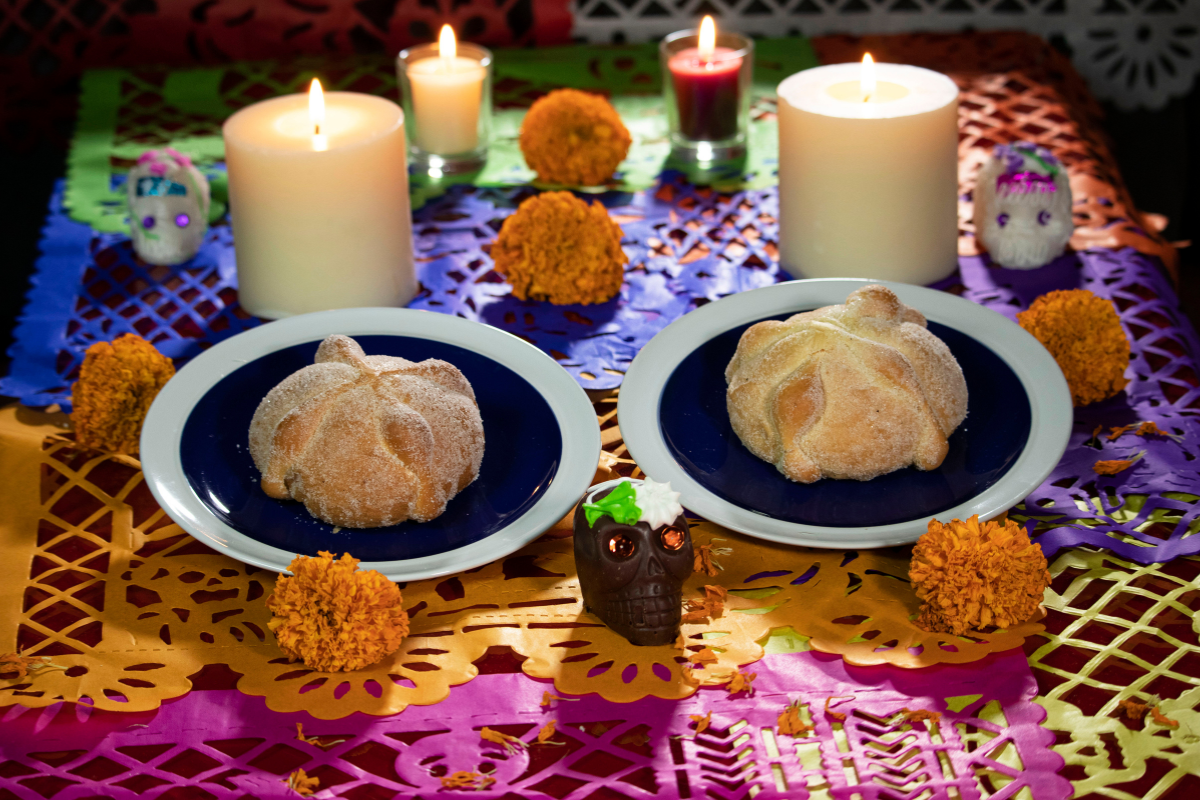
One of the most important traditions of Día de los Muertos is the ofrenda, an altar created to welcome the spirits of loved ones back home. Decorated with photographs, candles, favorite foods, and personal belongings of the deceased, these altars are a central part of many family celebrations.
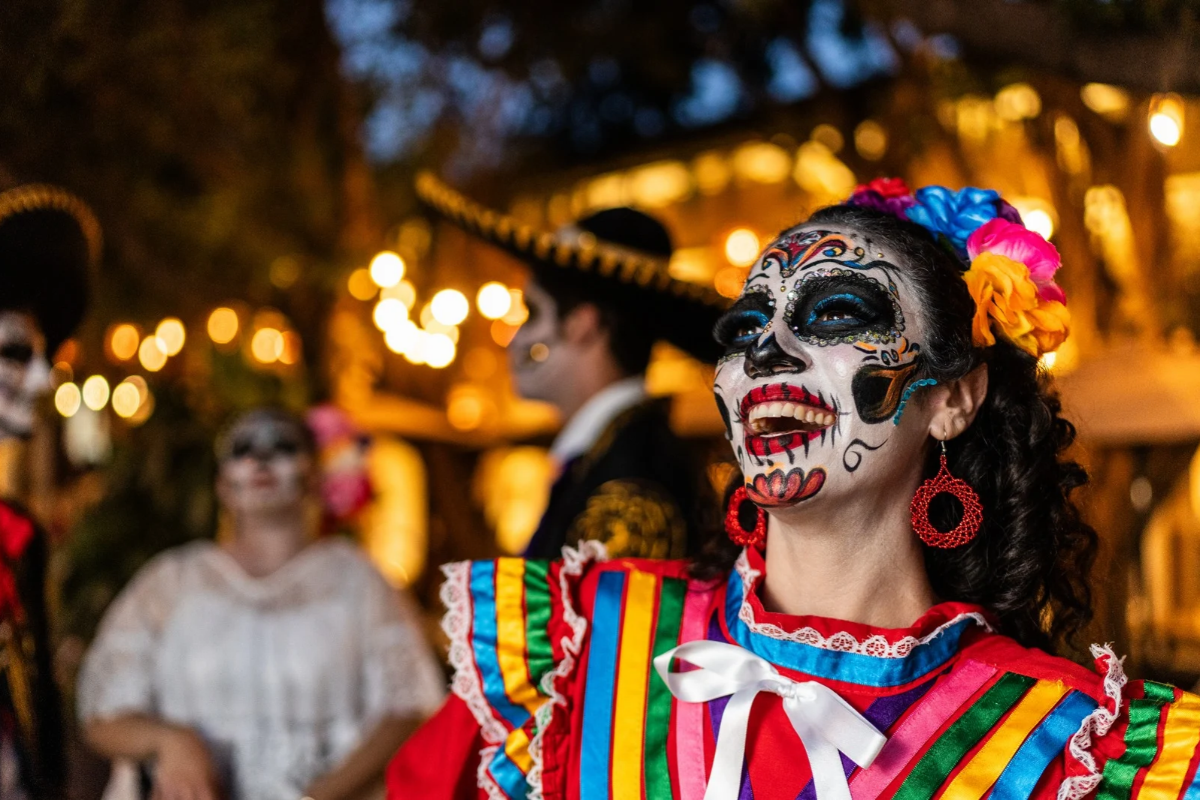
Many of the holiday’s most recognizable decorations also have symbolic meanings. Bright orange marigolds, known as cempasúchil, are believed to guide spirits with their vibrant color and scent. Colorful papel picado, or intricately cut tissue-paper banners, decorate homes and altars, while skulls (calaveras) and skeleton figures represent the connection between life and death. Traditional foods, like pan de muerto, a sweet bread made especially for the holiday, are shared with family and placed on altars as offerings.
How to Host a Día de los Muertos Celebration
You don’t have to be in Mexico to celebrate Día de los Muertos. There are plenty of ways to celebrate the holiday’s traditions right at home.
Create an Ofrenda
An ofrenda is the centerpiece of most Día de los Muertos celebrations. Set up a table or dedicated space where your guests can display photographs, candles, flowers, and personal mementos of loved ones who have passed away. Encourage everyone to contribute to the altar and share the stories behind the people they’re honoring. It’s a great way to make the celebration personal and give guests a chance to learn more about each other.
Decorate with Traditional Symbols
Día de los Muertos is known for its bright colors and elaborate decorations, so don’t be afraid to go all out. Hang colorful papel picado banners, decorate tables with bright orange marigolds, and incorporate calaveras (skulls) and skeleton figures throughout your space. Rather than treating them as ordinary party decorations, take inspiration from traditional Mexican celebrations, where marigold petals are often arranged in paths leading to the ofrenda and papel picado hangs above altars. You can also include figures of La Catrina, the elegantly dressed skeleton who has become one of the holiday’s most recognizable symbols.
Serve Traditional Mexican Foods
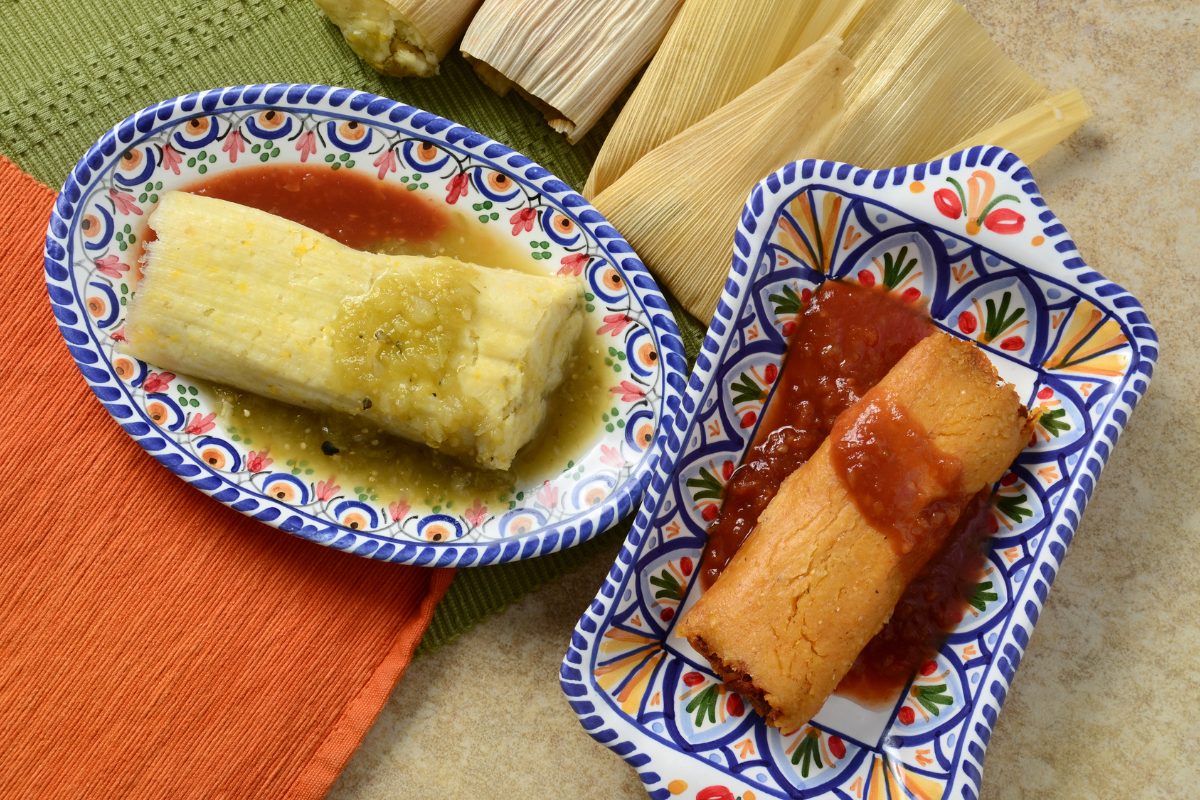
Food is an important part of Día de los Muertos, so make it a central part of your gathering. Serve traditional dishes like tamales, mole, and pan de muerto, along with warm drinks like atole or Mexican hot chocolate. You could also organize a potluck and encourage guests to bring a favorite dish or family recipe that reminds them of a loved one.
Plan a Sugar Skull Decorating Activity
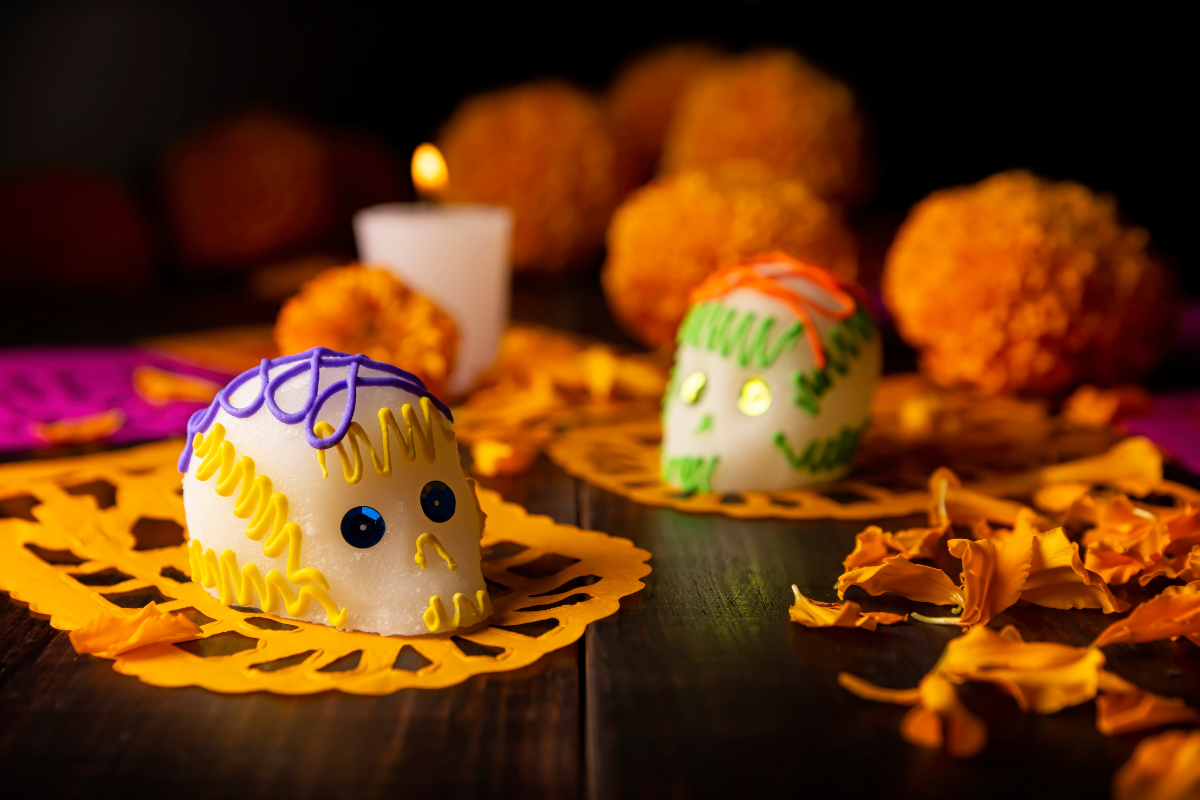
Sugar skulls, or calaveras de azúcar, are one of the most recognizable symbols of Día de los Muertos. They’re traditionally made from molded sugar and decorated with colorful icing, flowers, and intricate patterns. While skulls are often associated with fear and death, these cheerful designs represent a different perspective: death is a natural part of life, and remembering those who have passed on doesn’t have to be sad.
Give your guests a chance to get creative by setting up a sugar skull decorating station. Instead of using actual sugar skulls, use ceramic or wooden skulls, paints, and brushes. Encourage guests to experiment with bright colors, floral patterns, and other traditional designs. Once they’re finished, guests can display them on the altar or take them home.
How Día de los Muertos is Celebrated Across Mexico
If you’re looking for more inspiration for your own celebration, take a look at how Día de los Muertos is celebrated across Mexico. While many traditions are shared throughout the country, each region has its own customs and festivities. From elaborate parades to intimate family gatherings, here’s how different communities celebrate the holiday.
Michoacán (Southwestern Mexico): Candlelit Cemetery Vigils
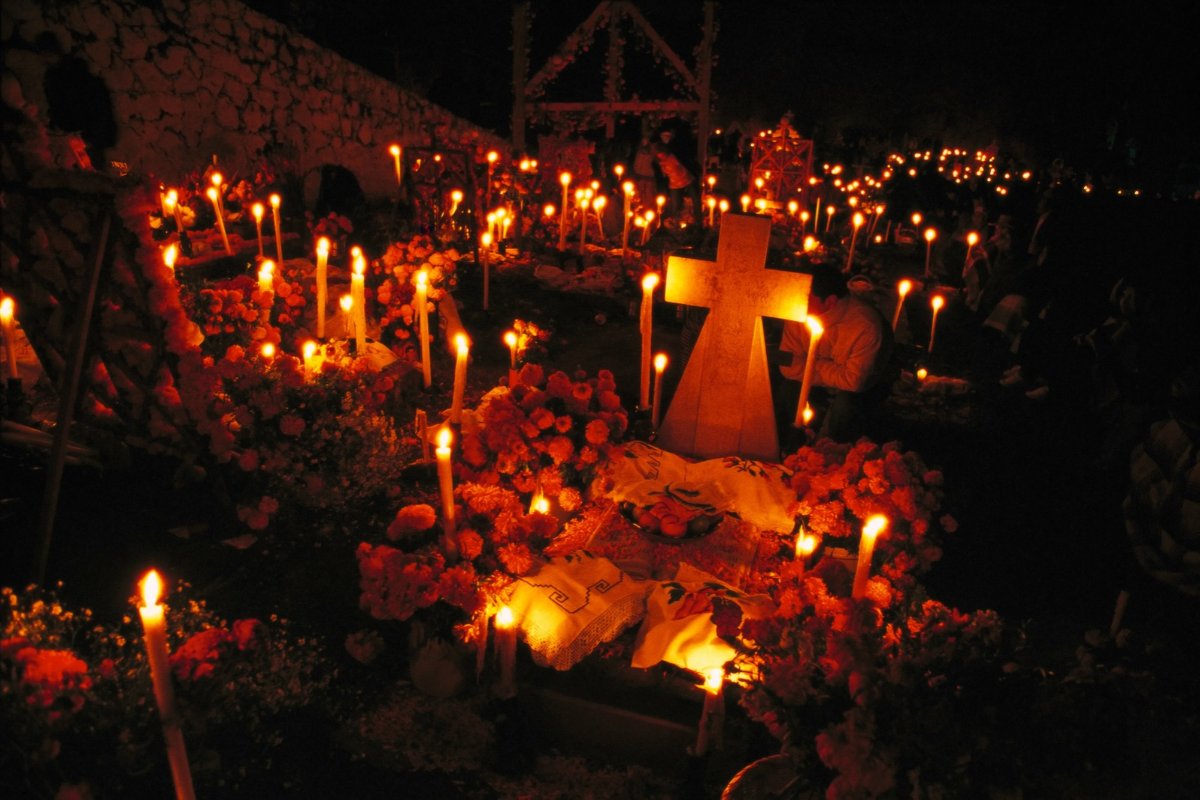
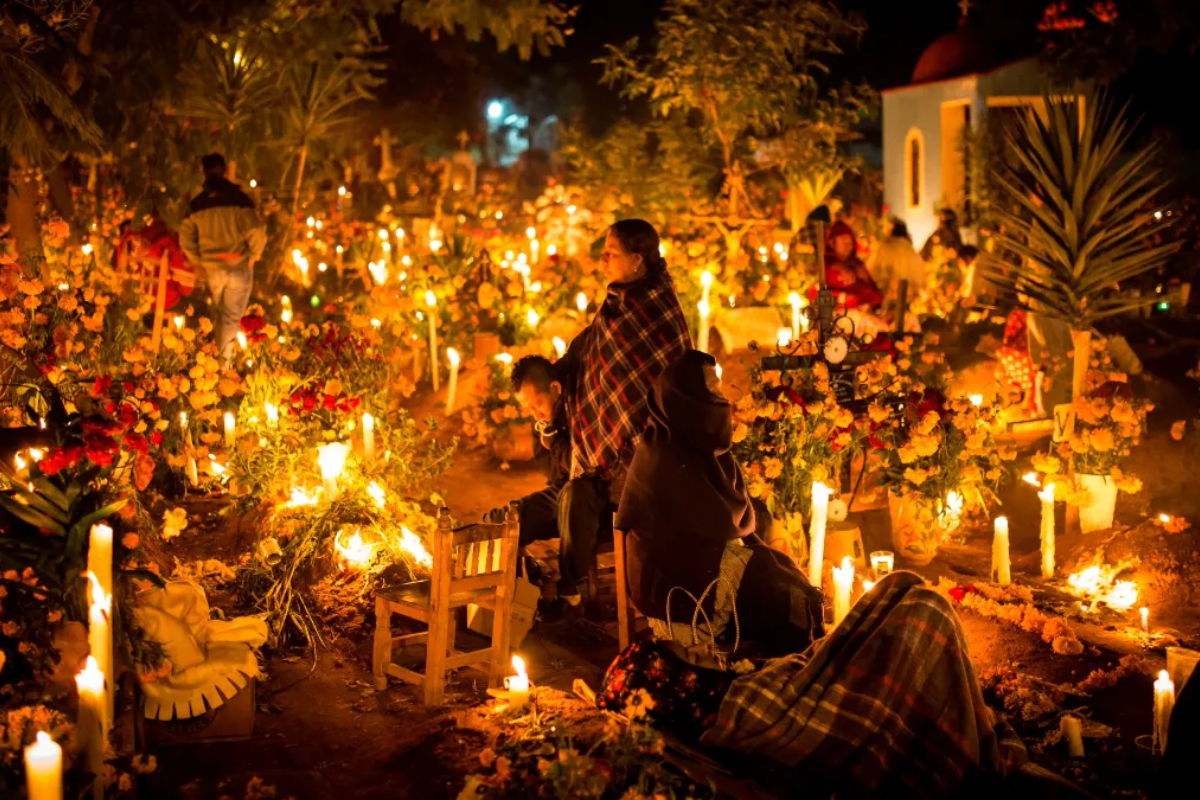
In the communities surrounding Lake Pátzcuaro, particularly on the island of Janitzio, families gather at cemeteries to honor their loved ones. Graves are decorated with marigolds, candles, and offerings, creating a sea of light that lasts through the night. These gatherings are an important part of the Purépecha community’s traditions, bringing families together for prayer, remembrance, and reflection.

Oaxaca (Southern Mexico): Music, Art, and Community
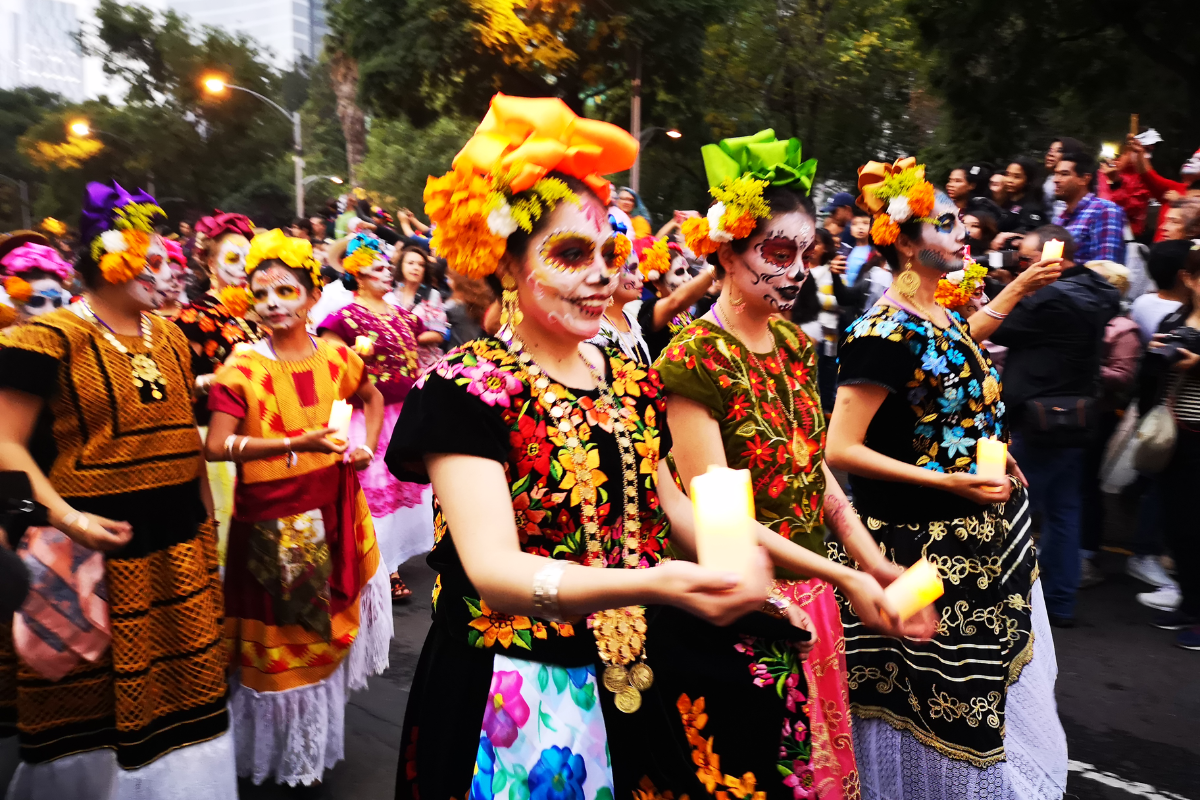
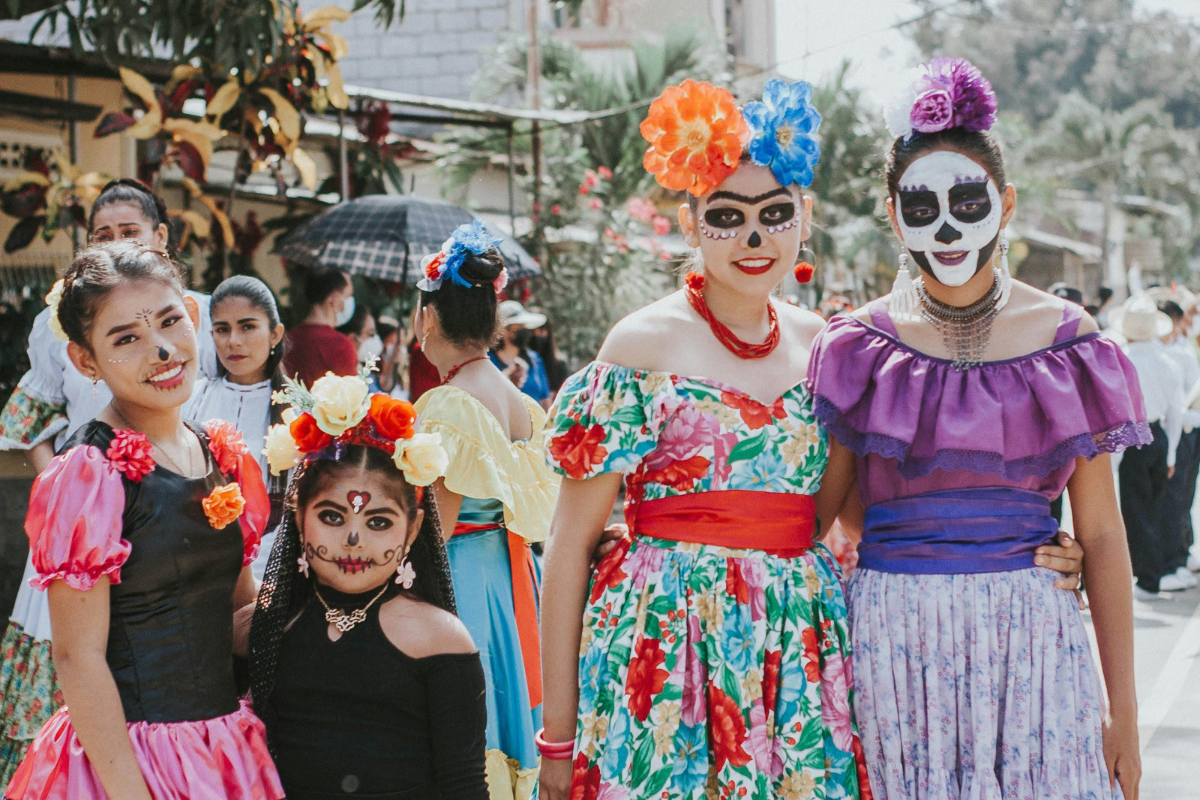
In Oaxaca, Día de los Muertos celebrations often include music, dancing, elaborate altars, and colorful street processions called comparsas. Participants dress in costumes, paint their faces, and parade through the neighborhoods, usually accompanied by musicians. Families also visit cemeteries to decorate graves and spend time with loved ones who have passed away.

Mexico City: Parades and Public Celebrations
Mexico City takes Día de los Muertos to a much larger scale with enormous public altars, art installations, and a large parade featuring giant skeletons, elaborate costumes, and colorful floats. However, the parade is a relatively new tradition. It began in 2016, partly inspired by the opening scene of the James Bond movie Spectre, which featured a fictional Day of the Dead parade through the city.

Yucatán (Southeastern Mexico): Hanal Pixán
In the Yucatán Peninsula, many Maya communities celebrate Hanal Pixán, meaning “food for the souls.” Families prepare special meals, decorate altars, and welcome the spirits of dearly departed relatives. One traditional dish is mucbipollo, a large tamale filled with meat and cooked underground in a hand-dug earth oven called a pib (though modern home cooks still use a standard oven). Food plays an especially important role in these celebrations, with families preparing favorite dishes to share with both the living and the dead.
A Celebration of Life
For generations, Mexican families have used this holiday to keep memories, stories, and traditions alive, passing them down from one generation to the next. And while Día de los Muertos has deep cultural roots, the idea of celebrating the lives of people we’ve lost is something everyone can appreciate. It’s a reminder that even though someone may no longer be with us, there’s still plenty to celebrate about the life they lived and how they made an impact in ours.
Kadi McDonald is a freelance writer, marketing strategist, and proud Cleveland sports fan.