
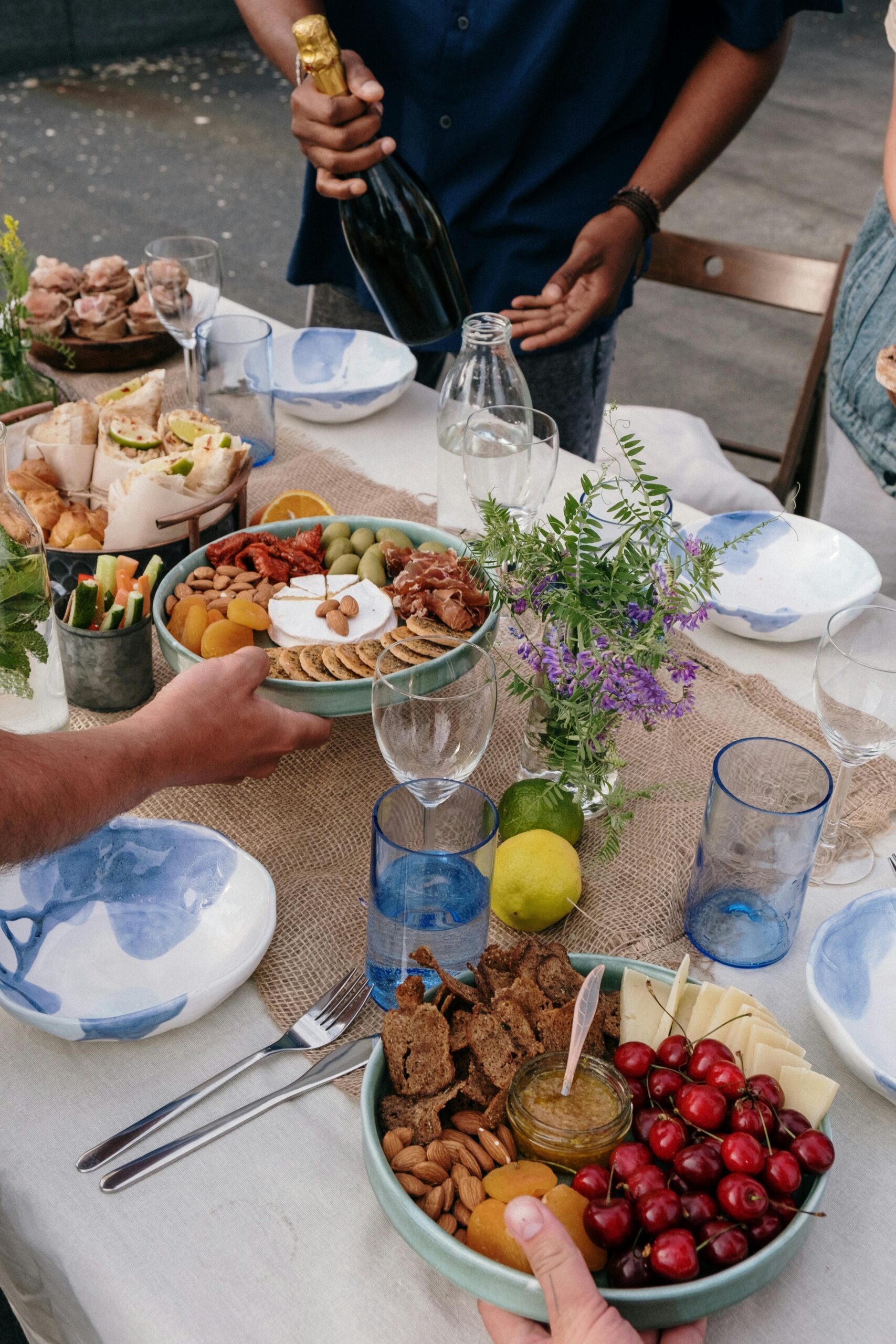
It’s almost November, which means it’s time for parties, celebrations, and gatherings of all shapes and sizes. From Friendsgiving dinners and office holiday parties, to family gatherings and neighborhood block parties, there will be plenty of opportunities to eat, drink, and be merry with friends and family.
If it’s your turn to host, consider turning it into a potluck. Instead of taking on all the cooking or catering yourself, invite your guests to bring a dish to share. Not only does it save you time and money, but it also gives everyone a chance to contribute something they enjoy.
Of course, hosting a potluck still requires a little planning. Without some coordination, you could end up with five pasta salads, three desserts, and not a single main dish. With a little organization and a few hosting essentials, you can make sure everyone has a great time.
Here’s how to host a potluck that everyone will enjoy.
Choose a Potluck Theme
Before you start planning the menu, consider choosing a theme for your potluck. You can let guests bring whatever they’d like, but a theme can narrow options, inspire everyone, and help them prepare for what’s on the menu. It can also be a fun way to introduce new dishes, share family traditions, or put a creative spin on familiar favorites.
Here are a few ideas to noodle on:
- Around the World: Invite guests to bring traditional dishes from around the globe, inspired by different countries or cultures.
- Family Favorites: Ask everyone to bring a recipe that’s been passed down through generations or holds a special memory for them. No obligation to share the recipe.
- Comfort Food: Create a menu filled with feel-good foods, like macaroni and cheese, casseroles, and homemade soups.
- Breakfast for Dinner: Fill the table with pancakes, quiches, breakfast casseroles, and other morning favorites.
- Throwback Potluck: Bring back nostalgic favorites from decades past, like deviled eggs, cheese balls and crackers, and Jell-O molds.
- Friendsgiving: Celebrate the season with Thanksgiving favorites, family recipes, and a few creative twists on traditional dishes.
Coordinate the Menu Ahead of Time
Once you’ve settled on a theme (or decided to skip one), it’s time to figure out who’s bringing what. Of course, you want to give your guests creative freedom to bring something they enjoy while making sure there’s enough variety to create a complete meal.
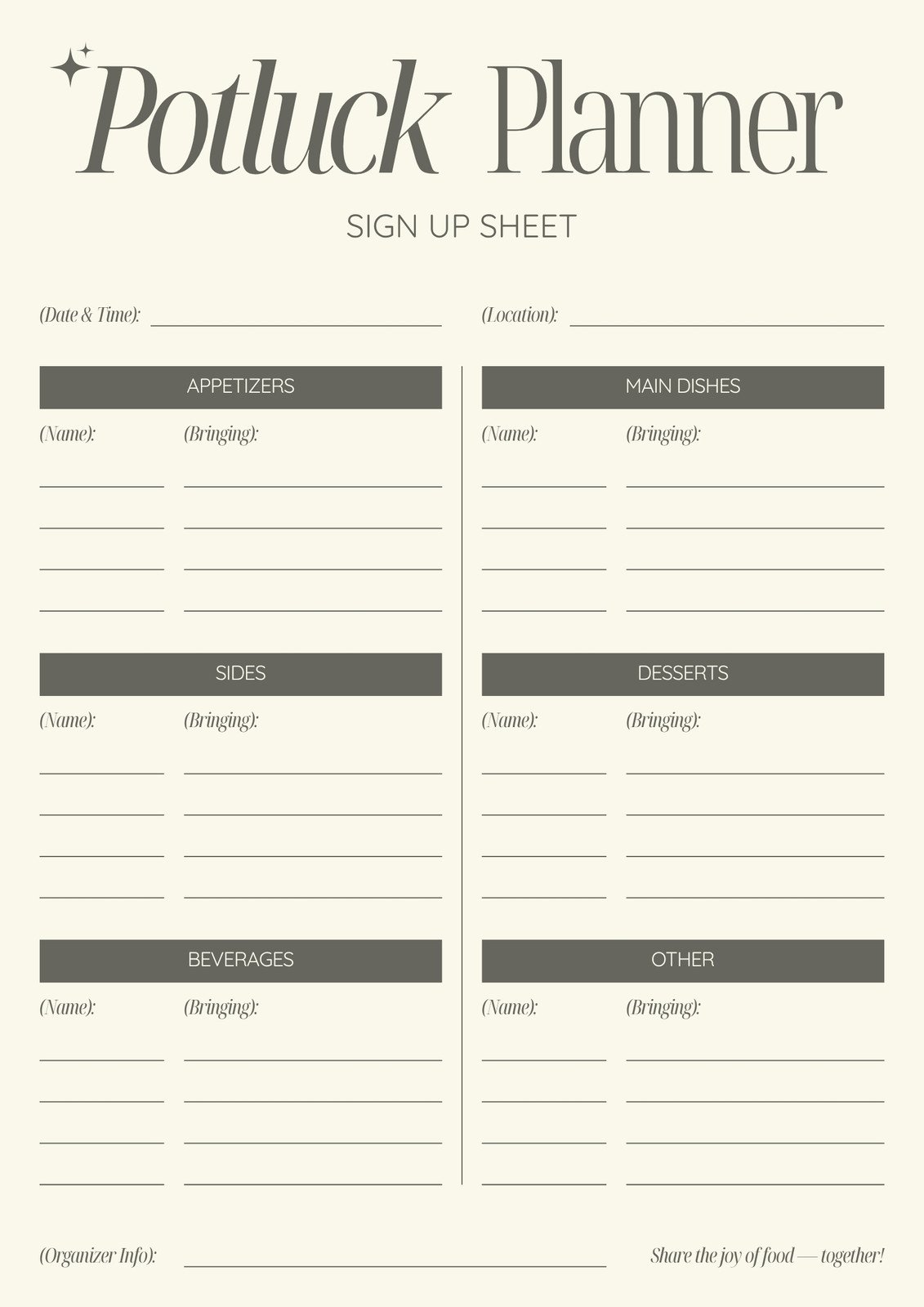
An easy way to do this is to create a shared signup sheet where guests can choose what type of dish they’ll bring. Use a Google Doc, spreadsheet, printed list, or group text to help keep everything organized. Divide the list into categories like appetizers, main dishes, sides, desserts, and drinks to ensure good variety. This also gives you an opportunity to fill any gaps before the party.
As you’re putting together the menu, there are a few other things to consider:
- Portion sizes: Guests don’t need to prepare enough food for everyone to have a full serving of every dish. Encourage smaller portions so everyone can sample a variety of foods.
- Dietary restrictions and food allergies: Ask about any special diets and preferences ahead of time. Make sure there are options for everyone, including guests who are vegetarian, vegan, or gluten-free. Additionally, if a guest has a food allergy, make sure ingredients are clearly communicated and potential cross-contact during food preparation is considered.
- Food preparation: Encourage guests to bring dishes that are ready to serve or only need minimal preparation. You don’t want everyone showing up with something that needs to go in the oven at the same time.
- Flexibility: Not everyone has the time, budget, or desire to cook. Store-bought dishes, beverages, ice, and other supplies are excellent contributions too.

Stock Up on Hosting Essentials
Just because your guests are bringing most of the food doesn’t mean you’re off the hook as the host. You’ll still need to make sure everyone has what they need to serve and enjoy their dishes.
Here’s what you’ll need to have on hand:
- Dinnerware: Plates, bowls, cups, napkins, and cutlery. Make sure you have enough for everyone, plus a few extras.
- Serving supplies: Serving spoons, tongs, trivets, and other utensils. Encourage your guests to bring their own serveware, but keep a few extras on hand just in case.
- Drinks: Even if guests are contributing beverages, have water, ice, and a few basic mixers on hand.
- Cleanup supplies: Trash bags, recycling bins, compost bins, paper towels, plastic wrap, aluminum foil, and extra containers/resealable bags for leftovers.
As the host, you may also want to take care of a main dish. That way, you know there’s at least one filling option available, even if someone cancels or a contribution doesn’t make it to the party.
Set Up Your Space for Easy Serving
You don’t need a formal dining room or a fancy table to host a successful potluck. But you should think about how guests will move through your space to prevent unnecessary crowding and confusion.
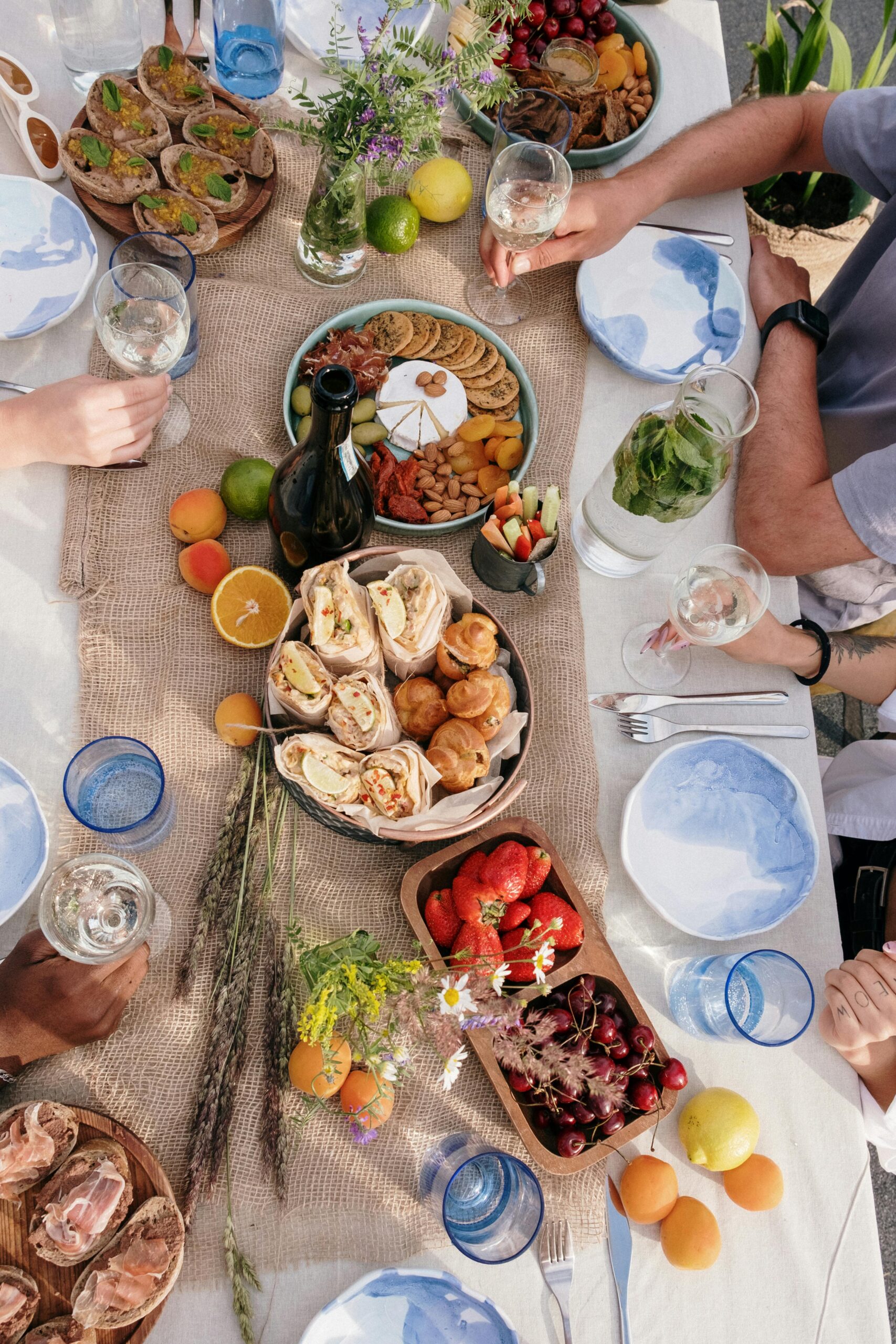
A buffet-style setup is usually the easiest option. Arrange dishes along a table or countertop and create a clear flow with plates at one end, food items grouped by type (appetizers, sides, and main dishes) in the middle, and napkins and cutlery at the other end. Keep drinks and desserts in separate areas to prevent crowding.
Set up a designated spot for guests to drop off their dishes when they arrive, especially if some need to be refrigerated or kept warm. Label each dish with its name and any common allergens. You might also ask guests to write their names on their serving dishes to avoid confusion at the end of the night.
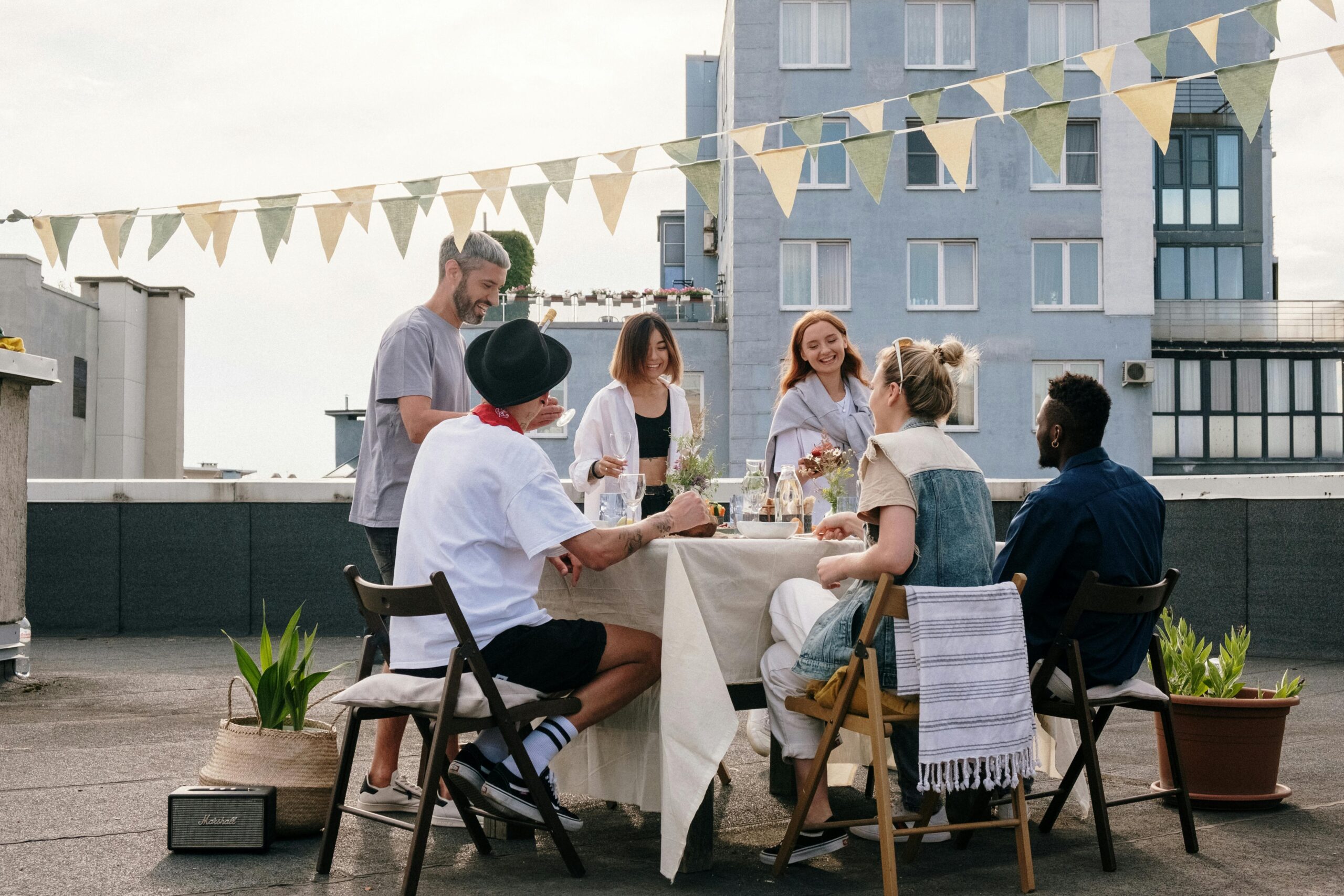
Finally, think about seating. You don’t need a designated seat for every guest at a dining table, but everyone should have somewhere comfortable to sit and enjoy their food.
Keep Food Safety on the Menu
When everyone is bringing something to share, food safety is especially important. Dishes may travel across town, sit out for several hours, or be handled by multiple people throughout the gathering. You can take a few simple safety precautions to help prevent foodborne illness and keep everyone safe.
- Keep hot foods hot and cold food cold: According to the USDA, hot foods should be kept at 140°F or above while cold foods should remain at 40°F or below. Use warming trays, slow cookers, coolers, or ice packs to maintain safe temperatures.
- Follow the two-hour rule: Not to be confused with the five-second rule, the two-hour rule says that perishable foods shouldn’t sit at room temperature for more than two hours. If the air temperature is above 90°F, that window drops to one hour. Consider putting out smaller portions and replenishing them as needed.
- Transport food safely: Use insulated carriers and coolers with ice packs when transporting temperature-sensitive dishes. Keep hot and cold foods separate and refrigerate perishable dishes promptly upon arrival.
- Prevent cross-contamination: Provide separate serving utensils for each dish and encourage guests to wash their hands before handling food. Keep raw ingredients away from ready-to-eat foods during preparation.
- Stay home if you’re sick: Anyone experiencing sickness or symptoms of a contagious illness should avoid preparing or serving food. It’s better to miss one potluck than share something no one wants to take home.
Have a Plan for Leftovers
Chances are, you’ll have leftovers at the end of the party. Instead of letting it go to waste (or getting stuck with it all yourself), plan to send leftovers home with your guests. Encourage them to bring containers so they can take home anything they’d like. You can also set out the extra containers, plastic wrap, and aluminum foil you stocked up on earlier. Just make sure any perishable food being saved has been kept at a safe temperature and hasn’t been sitting out too long.
Don’t Forget to Enjoy Yourself!
Once guests arrive, the food is arranged, and everyone has a plate in hand, your work is mostly done. Hosting a potluck is supposed to take some pressure off, so don’t spend your time worrying about whether everything is perfect. Grab a plate, try a little bit of everything, and enjoy yourself.
Kadi McDonald is a freelance writer, marketing strategist, and proud Cleveland sports fan.