
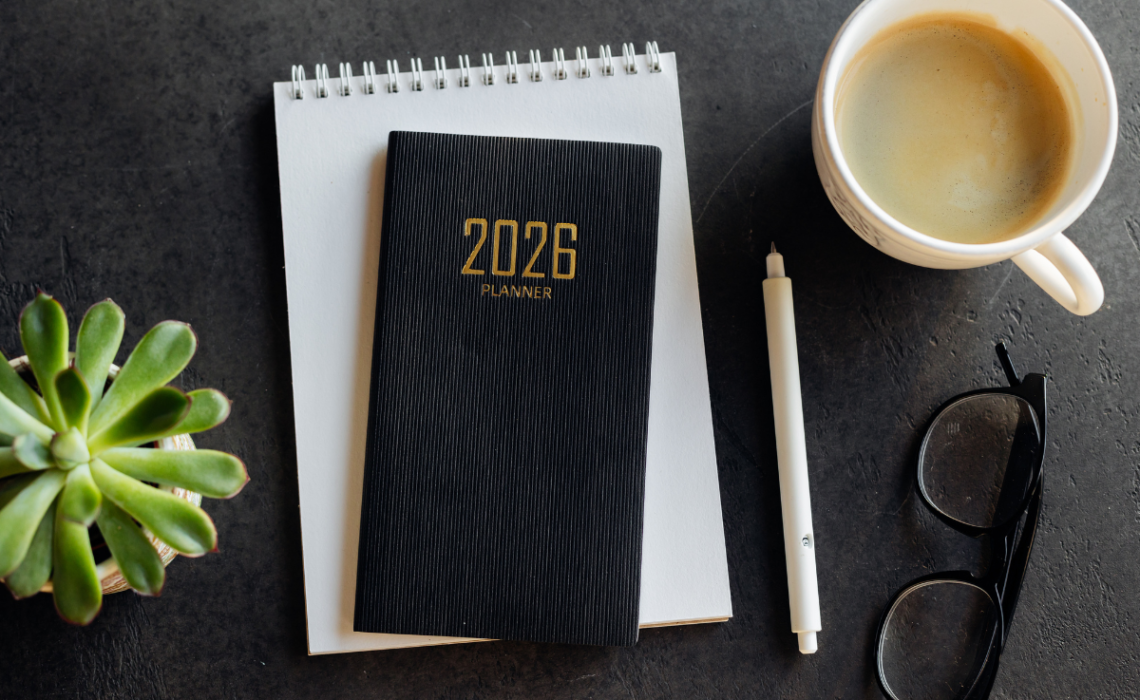
If it’s one thing planners know, it’s that people have become more selective about what they show up for. In 2026, parties aren’t competing with each other as much as they’re competing with busy schedules, social burnout, and a messy economy. Guests are asking themselves one simple question before they mark their RSVP: is this worth my time?
The answer increasingly comes down to the experience itself. Hosts want gatherings people actually want to attend, not events that require convincing. Planners are balancing guest expectations with what the host wants, which means thinking more carefully about venues and vendors from the start.
A space is no longer just a place to gather. It sets the tone, shapes the flow of the night, and often determines whether an event feels forgettable or worth showing up for. Below are some of the trends shaping the 2026 event world, along with practical “Boxes to Check” to help you find the right venue.
1. Purpose-driven parties are becoming the standard
In 2026, parties will start with the why instead of the what. Hosts are building celebrations around milestones, personal values, causes, or shared experiences rather than decorating around a color palette and calling it a day. Guests respond to events that feel like they stand for something, even if the vibe is still casual and fun.
Examples:
- Birthday parties where a portion of bar sales goes to a favorite nonprofit
- Office parties that collect donations for a local cause
- Milestone events that include tributes and speeches by guests
Boxes to check when searching for a venue:
- A designated spot for short toasts, tributes, or announcements
- Clear policies for hosting donation drives or nonprofit tie-ins
- Walls, tables, or entry areas that can be used for signage, photos, or storytelling
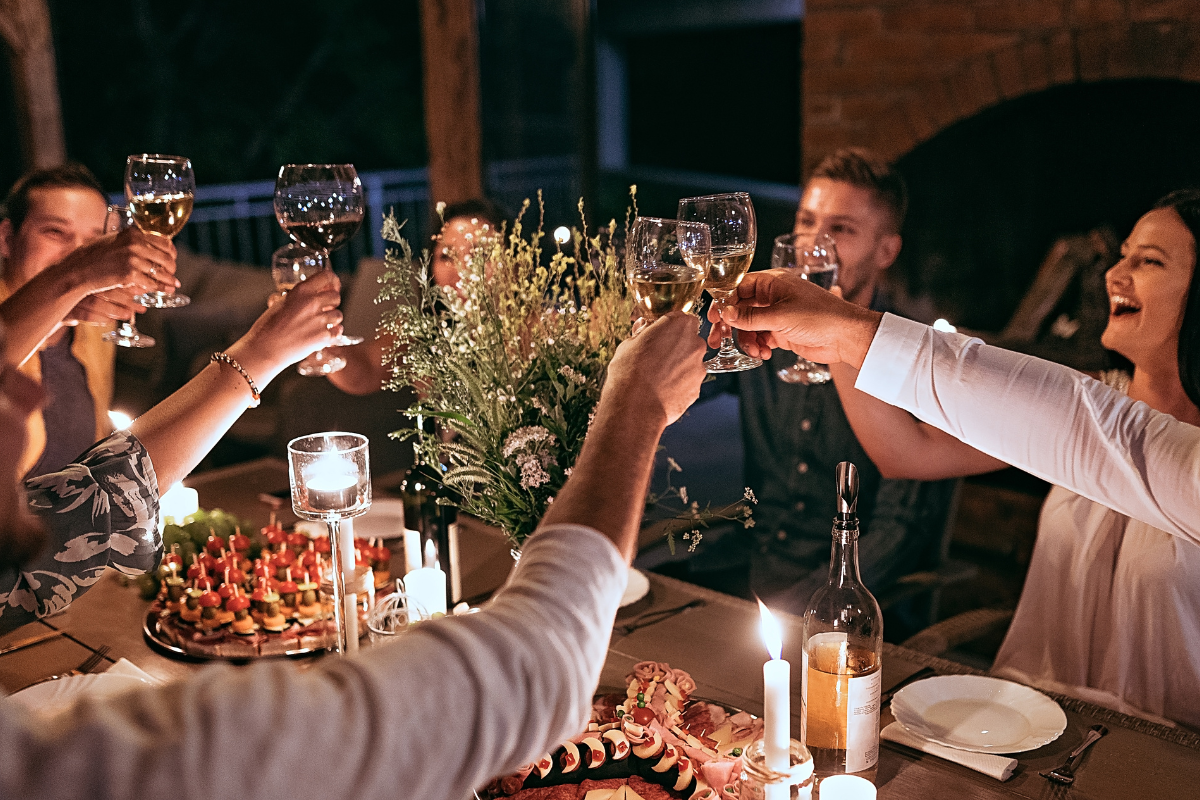
2. Smaller guest lists with bigger experiences
Rather than packing rooms wall to wall, many hosts in 2026 are cutting down the size of their guest lists in exchange for more meaningful experiences. With fewer people in the room, it’s easier for planners to figure out the best food, flow, and feelings.
Examples:
- A 40th birthday dinner for 20 guests with a coursed meal and seated layout
- Department-level company dinners booked as full private buyouts
- Rehearsal dinners hosted as intimate cocktail-and-dinner events
Boxes to check when searching for a venue:
- Rooms that still feel full and energetic even with fewer guests
- Private dining rooms or full buyouts without minimums
- Flexible furniture layouts that can be adjusted for seated dinners or mingling
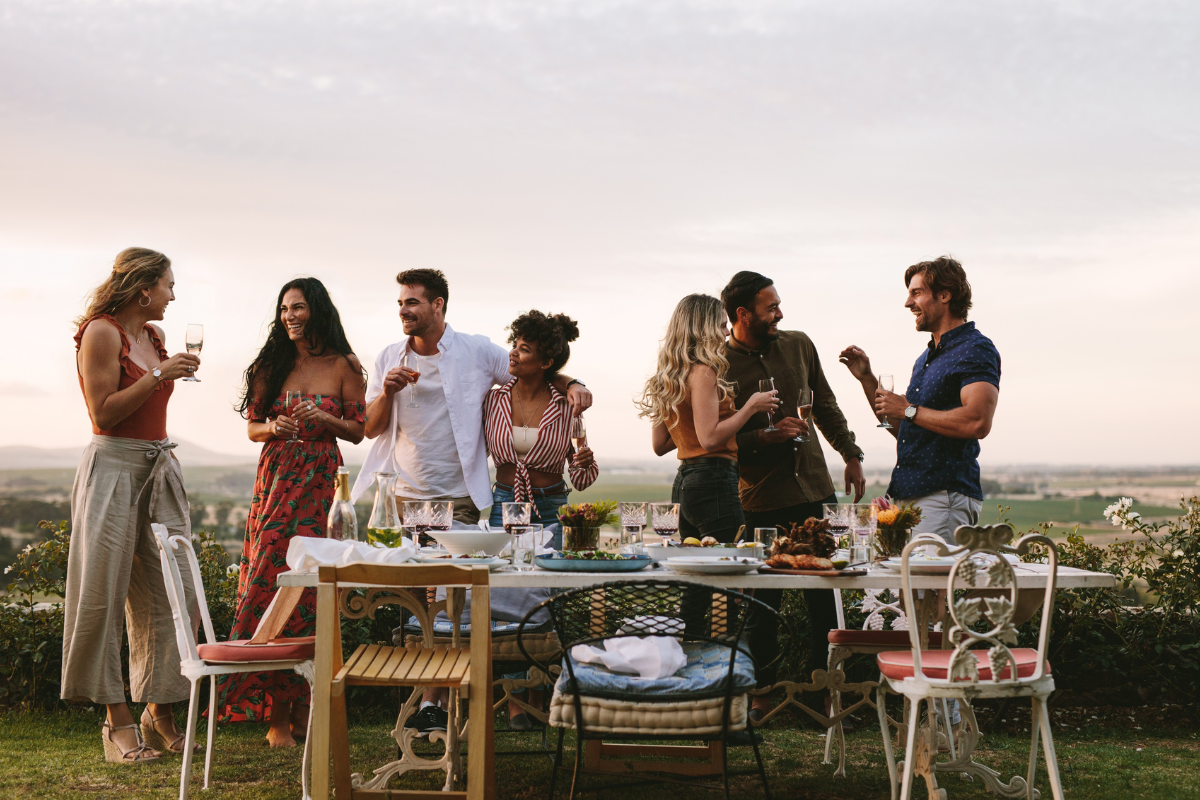
3. Venues should support movement and momentum
Staying in the same spot all night gets stale fast. In 2026, planners are leaning into venues that let the party change gears, giving guests a reason to move and stay engaged.
Examples:
- Guests start with cocktails in a lounge, then move upstairs for dancing
- Indoor parties that open into a patio once the music picks up
- Events that shift from a planned program to a late-night hangout area
Boxes to check when searching for a venue:
- Distinct spaces that naturally signal a shift in vibe
- Easy transitions between rooms without confusing wayfinding
- Outdoor areas that feel like an extension of the party, not an afterthought
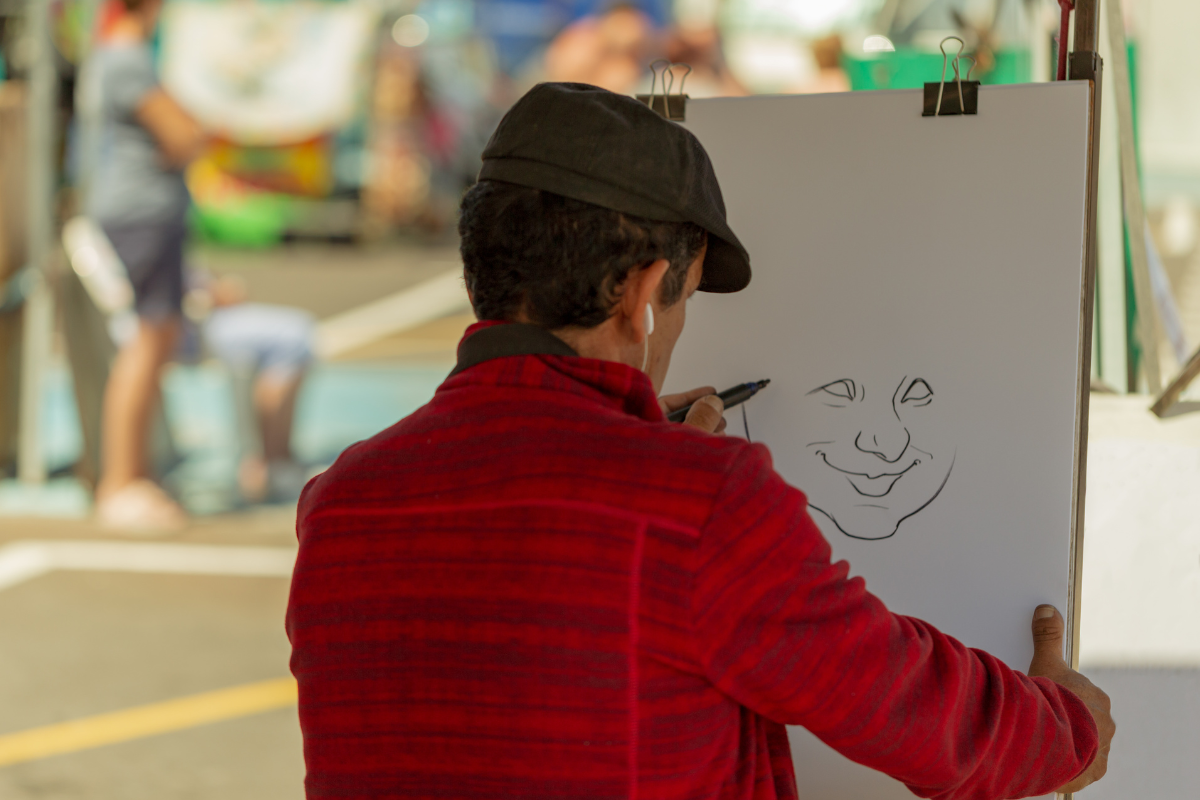
4. Interactive experiences take center stage
Guests want something to do, not just something to watch or wait for. Interactive elements are becoming a core part of parties in 2026, creating natural conversation starters and memorable moments.
Examples:
- DIY margarita or espresso martini stations
- A live painter creating artwork during the event
- Trivia rounds or hosted games scheduled throughout the night
Boxes to check when searching for a venue:
- Open floor space that can handle stations, games, or pop-ups
- Enough outlets and power access without extension-cord chaos
- Sound flexibility so interactive moments don’t overpower conversation
5. Nostalgia with a more polished edge
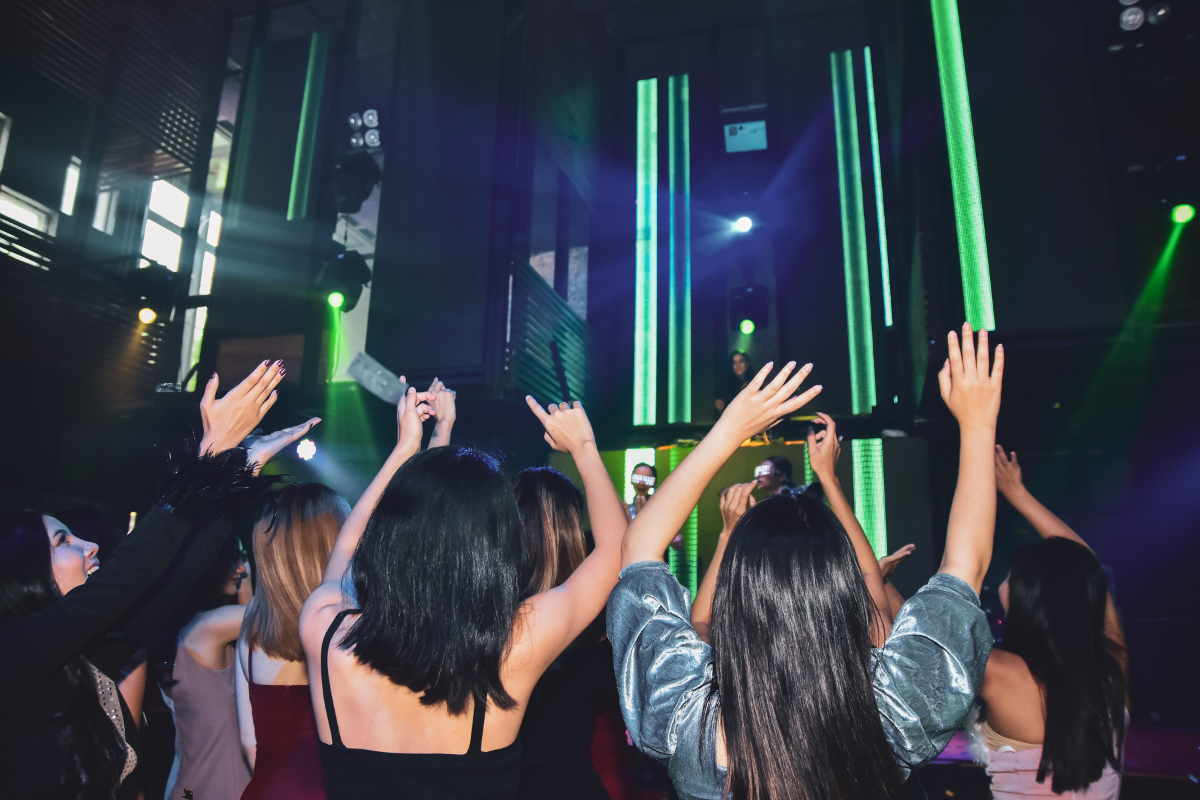
Nostalgic themes are still popular, but in 2026 they feel more grown-up and refined. Instead of novelty throwbacks, planners are pulling from familiar references and pairing them with elevated activities, refreshments, and design.
Examples:
- A 90s-themed party with cocktails named after iconic movies or TV shows
- A Y2K dance night with neon signage and club-style lighting
- A vinyl DJ night paired with sliders, popcorn, and soft pretzels
Boxes to check when searching for a venue:
- Built-in character that supports themed styling without heavy décor
- Lighting controls that allow planners to change the mood throughout the night
- Policies that allow themed signage, props, or added creative visuals
6. Personal design over picture-perfect styling
Perfectly styled events are losing their appeal. In 2026, planners are leaning into spaces that feel personal, layered, and lived-in. Guests connect more with events that feel real rather than overly staged.
Examples:
- Mixed couches, bar stools, and high-top tables instead of uniform seating
- Handwritten drink menus or welcome signs
- Vintage lamps, rugs, or framed posters used as decor
Boxes to check when searching for a venue:
- Permission to bring in furniture, décor, or personal touches
- Layouts that allow planners to mix seating styles freely
- Lighting that can be layered with lamps, candles, or accent fixtures
7. Hybrid elements are used on purpose
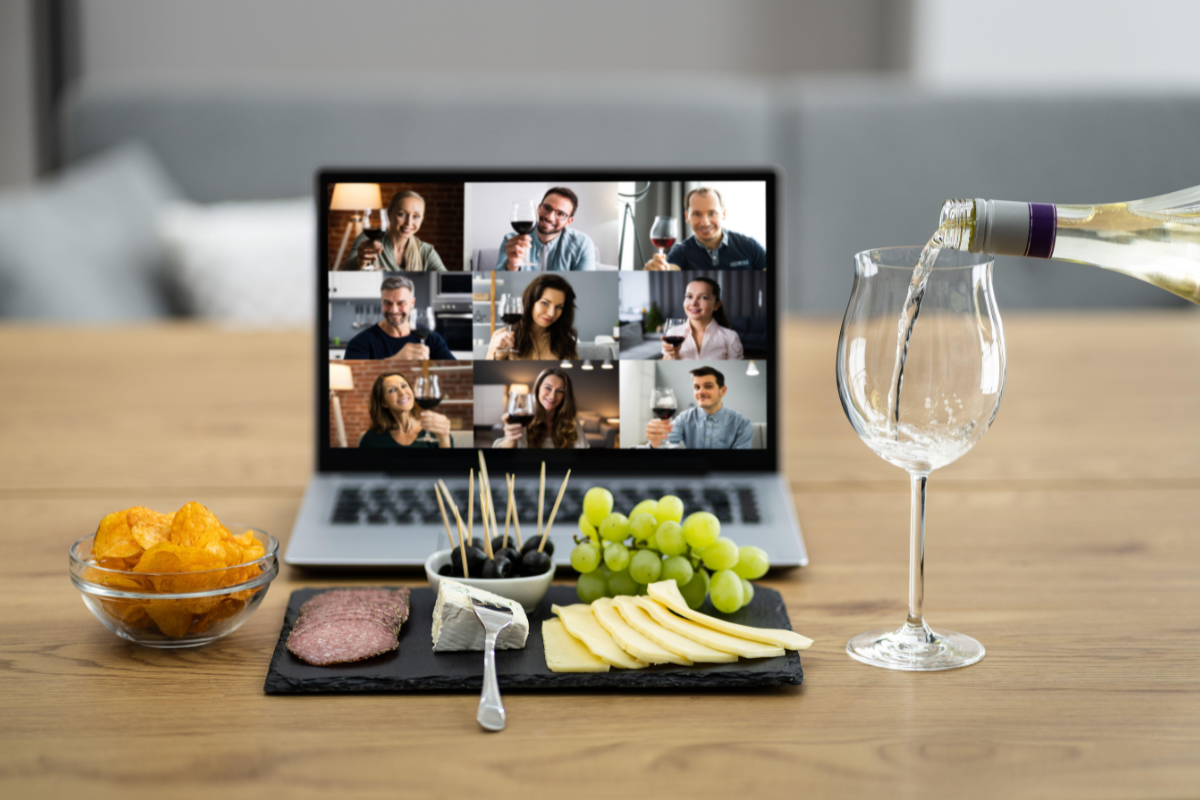
Hybrid events are still around, but they are more focused. Instead of livestreaming entire events, planners are using virtual elements selectively to include remote guests without distracting from the in-person experience.
Examples:
- A virtual toast from a guest who could not travel
- A live performance streamed for remote team members
- A short highlight video shared with attendees after the event
Boxes to check when searching for a venue:
- Strong Wi-Fi that can handle streaming without glitches
- Discrete spots for cameras or screens that don’t block guest flow
- Staff who can coordinate with outside AV teams if needed
8. Food and drink are part of the experience
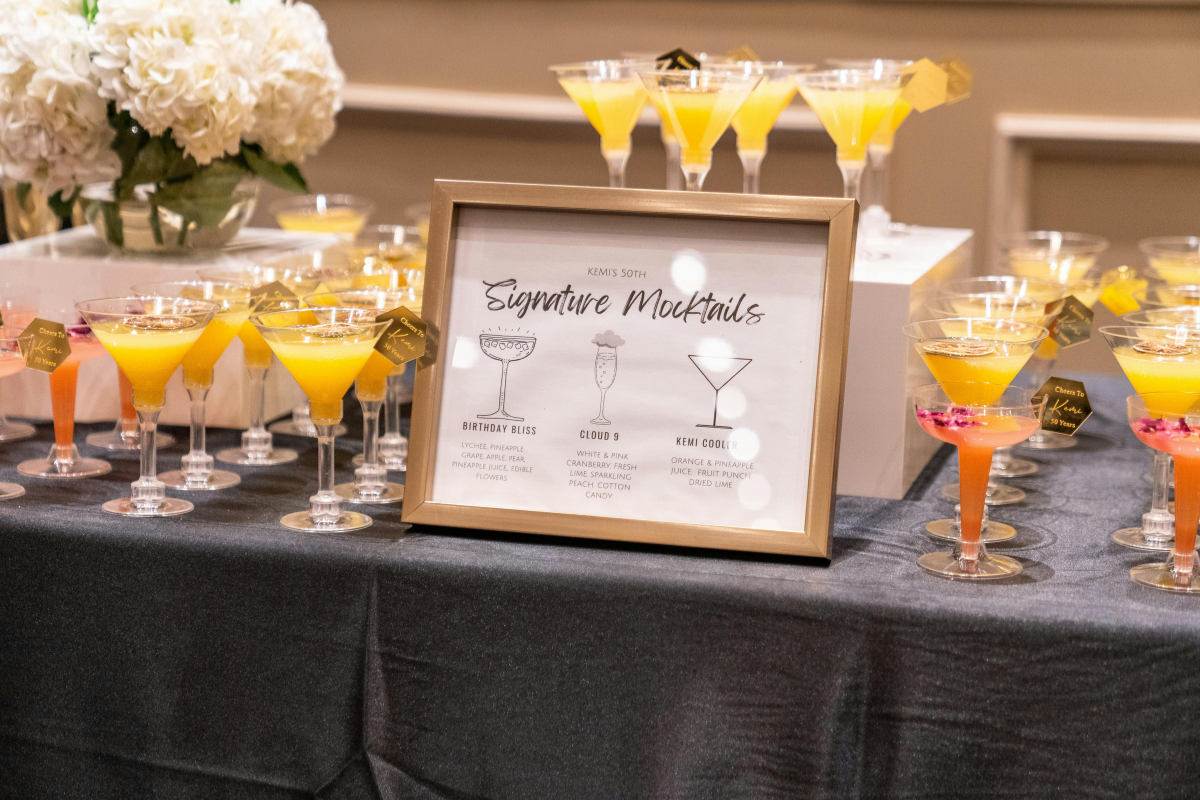
In 2026, food and beverages will be part of the entertainment. Guests remember tasting experiences, interactive menus, and creative drinks long after the party ends.
Examples:
- Small-plate tasting menus served in rounds
- Build-your-own taco, slider, or dessert stations
- Signature cocktails and zero-proof drinks
Boxes to check when searching for a venue:
- Menus that can be adjusted for pacing and presentation
- Space for stations that don’t interrupt traffic flow
- Zero-proof options that feel equal to the cocktail menu

9. Sustainability is a baseline expectation
Eco-conscious choices are no longer a bonus feature. Many planners in 2026 expect venues to support sustainability as part of standard operations.
Examples:
- Events that eliminate single-use plastics
- Menus built around locally sourced ingredients
- Reusable glassware and compostable service items
Boxes to check when searching for a venue:
- Clear plans for reducing waste during events
- Relationships with local food, beverage, or rental vendors
- Systems in place for recycling, composting, or reusables
10. Venues should be partners
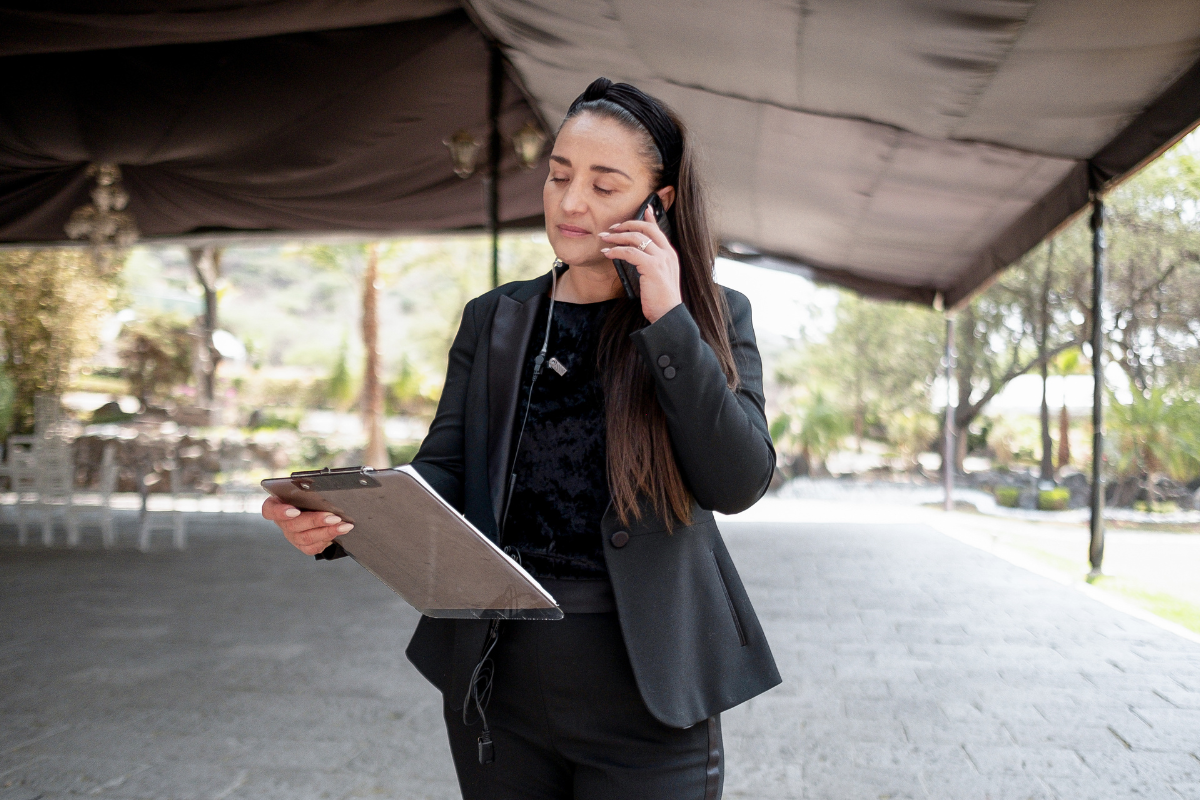
More than anything, planners want venues that collaborate. In 2026, the best events happen in spaces where venue teams understand the vision and help make it work rather than just enforcing rules.
Examples:
- Venue staff helping rework the layout when the guest count changes
- On-site teams suggesting timing adjustments to improve flow
- Spaces that allow last-minute tweaks without added friction
Boxes to check when searching for a venue:
- A planning contact who responds quickly and clearly
- Flexibility when timelines, layouts, or guest counts shift
- On-site staff who know how events actually run, not just how they’re booked
Conclusion
In 2026, the most successful events aren’t necessarily the biggest, flashiest, or most expensive. They’re the ones that respect guests’ time and attention. When people are more selective about where they show up, every choice matters, from the layout of the room, to how the night flows, to whether the experience feels thought-through or slapped together.
For planners, this means venue selection is no longer a logistical step at the end of the process. It’s one of the earliest and most important decisions. The right space makes it easier to build momentum, encourage interaction, and create moments that guests actually talk about afterward. The wrong space makes even the best ideas harder to execute.
As these 2026 trends start to show, venues that offer flexibility, character, and collaboration give planners the tools they need to design events people want to attend, not just events that check a box. When the space works with the vision instead of against it, the experience speaks for itself, and the RSVP question answers itself too: Yes, this is worth their time.
Kadi McDonald is a freelance writer, marketing strategist, and proud Cleveland sports fan.