
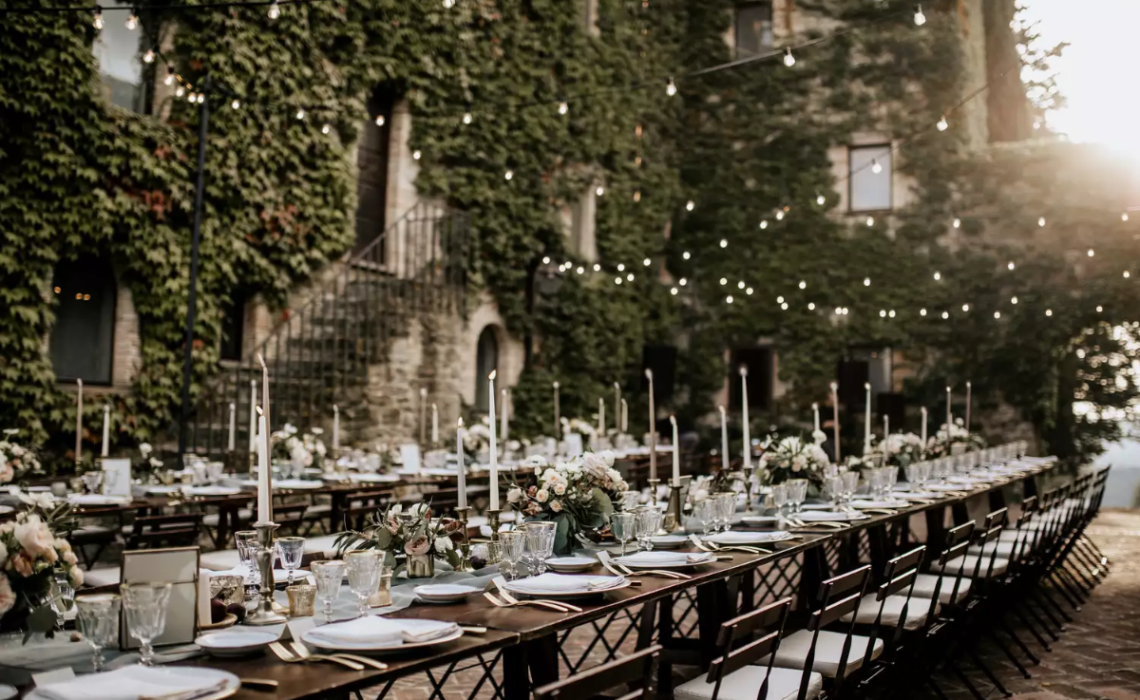
DIY weddings have become increasingly popular over the last several years. Couples are choosing more flexible venues and taking decorations, food, and flowers into their own hands, making things feel more personal and less packaged. But it can be hard to get started if you don’t know where to begin.
That’s when looking to tradition can help. Italian weddings, shaped by centuries of family-centered celebrations and generous hospitality (and of course, delicious food), offer a natural starting point for planning. So whether you’re booking a venue in The Boot or staying local, here’s how to borrow the best of Italian wedding traditions and apply them to your own DIY celebration.
Aperitivo: Welcoming Guests the Italian Way
The tradition
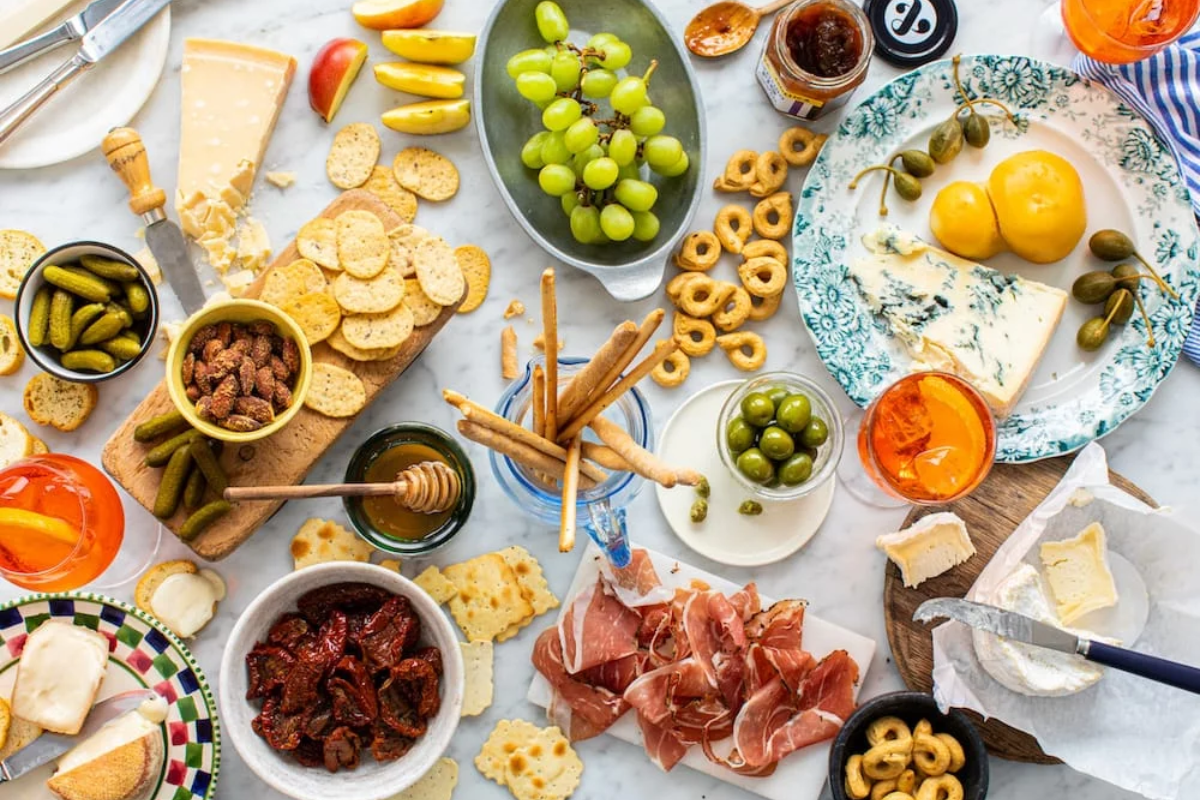
Aperitivo is a huge part of Italian culture. It’s a social ritual rather than a formal event. Historically, it was meant to “open” the appetite before the main meal. At weddings, it serves as a relaxed transition between the ceremony and the meal, allowing guests to mingle and enjoy appetizers and drinks.
How to DIY it
Skip the formal cocktail hour and opt for a self-serve aperitivo spread instead. Offer light drinks like wine, Aperol Spritz, Negroni, or Bellini, along with olives, bread, and simple snacks. Guests can mix, mingle, and settle in at their own pace. The aperitivo works best at flexible venues and can help keep staffing costs down.
Why it works for modern weddings
Aperitivo provides just enough structure without feeling overly scheduled. It serves as a natural transition from the ceremony to the rest of the night. It gets the party started and then rolls easily into dinner.
Food as the Centerpiece
The tradition
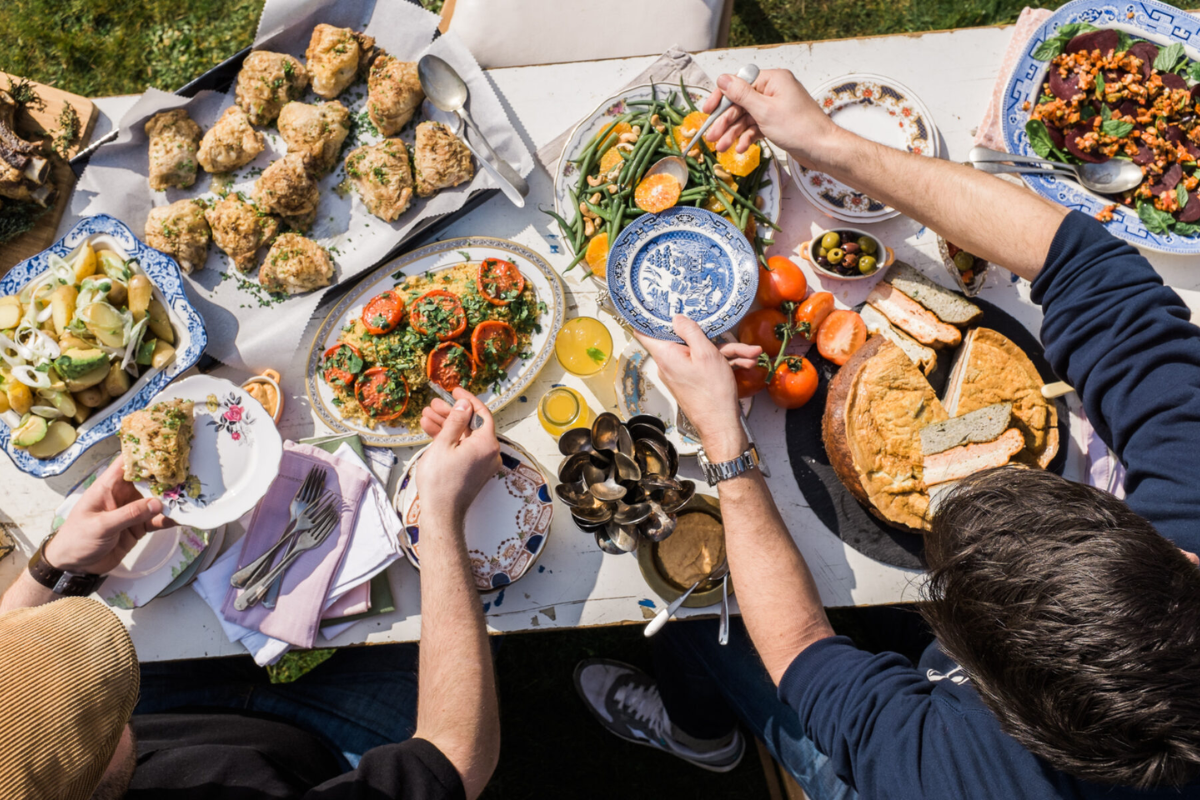
Food is at the heart of Italian culture. In many regions, the meal is the highlight of the day, representing abundance, family, and celebration. At weddings, long, family-style dinners invite guests to slow down, share, and settle into the moment.
How to DIY it
Rather than offering a broad menu, focus on a few well-prepared dishes. Family-style pasta, risotto, roasted vegetables, or pizza encourages sharing and conversation. Long tables reinforce the communal feel and simplify table layouts and seating charts.
Planning advantage
Family-style or buffet-style meals often work better in nontraditional venues and can be more cost-effective than plated service. Many restaurants and caterers are already set up to support this format.

Confetti: Sugared Almonds With Symbolism
The tradition
Confetti, or sugared almonds, dates back to ancient Roman celebrations. Traditionally, five almonds are given to represent health, happiness, longevity, fertility, and prosperity. They’re one of the oldest Italian wedding traditions and remain common today.
How to DIY it
Offer small bags or bowls of sugared almonds as favors. They can be placed at each place setting or near the exit. This tradition offers a meaningful alternative to modern wedding favors.
Why couples still use it
Confetti is symbolic, inexpensive, and easy to execute. They add meaning without adding clutter, making them ideal for minimalist or DIY weddings.
Decor That Feels Lived-In, Not Staged
The tradition
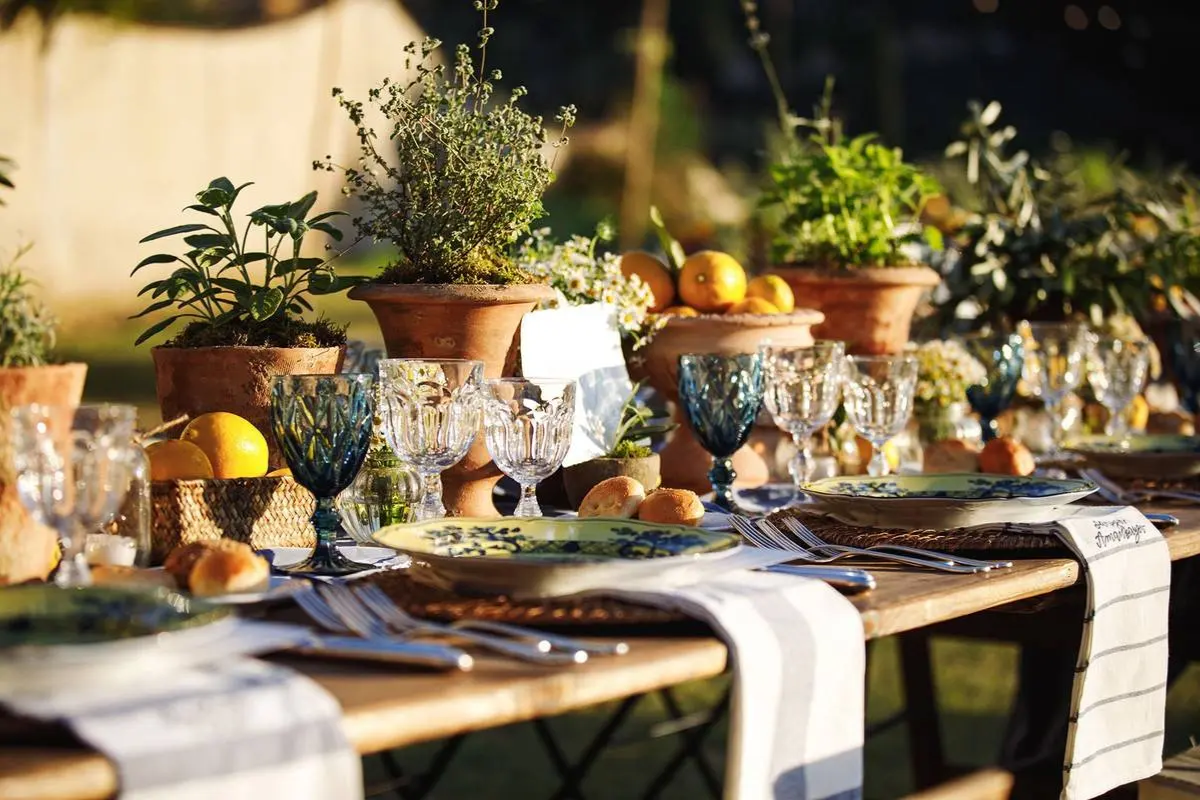
Italian wedding decor is historically tied to everyday beauty rather than spectacle. Tables are designed to be used, not admired. The candles, linens, ceramics, and glassware all serve a purpose.
How to DIY it
Use neutral linens, mismatched plates, shared serving bowls, and plenty of candlelight. Leave wine bottles on the table. Let the venue’s architecture and surroundings play a leading role.
Venue tip
This approach works especially well in historic buildings, gardens, wineries, and industrial spaces where the setting itself adds character.

What to Tell Your Guests About an Italian-Inspired Wedding
If you’re planning an Italian-inspired wedding, it’s a great idea to share some tips to help your guests relax and enjoy the experience. Consider sharing a note like this on your wedding website or as an insert to your invitations:
Plan to stay awhile
This is not a quick in-and-out celebration (though if you need to go, we understand!). The evening is meant to unfold at a relaxed pace, with plenty of time to eat, talk, and dance without watching the clock.
Dinner is meant to be shared
Dinner will be served family-style on large platters meant to be shared. Take your time. Pass the bread. Pour another glass. The table is part of the celebration.
The timeline isn’t rigid
There may not be constant announcements or tightly timed transitions. Move between conversation, the dance floor, and the bar as you please.
Dress in what makes you comfortable
Think polished and timeless rather than themed. We want you to feel your best for the entire night.
It’s all in the details
We’re leaning into Italian traditions, and we’re so excited to share them with you. From shared tables to sugared almonds, you may notice small traditions woven throughout the evening. They are simple by design and meant to highlight hospitality and togetherness.
Conclusion
At their core, Italian weddings were never about perfection or performance. They were built around people. Long tables, shared meals, and space to linger create an atmosphere that feels warm rather than orchestrated.
Instead of recreating a packaged event, focus on hospitality, thoughtful details, and a natural flow. Whether you’re celebrating in The Boot or close to home, the goal is the same: gather the people you love and give them a reason to stay awhile.
Kadi McDonald is a freelance writer, marketing strategist, and proud Cleveland sports fan.